Intelligent Location Management Solution for Personnel, Vehicles and Materials
Present Situation And Pain Point
—Difficult operation management —High difficulty in personnel management —Low production efficiency —High potential production safety risks
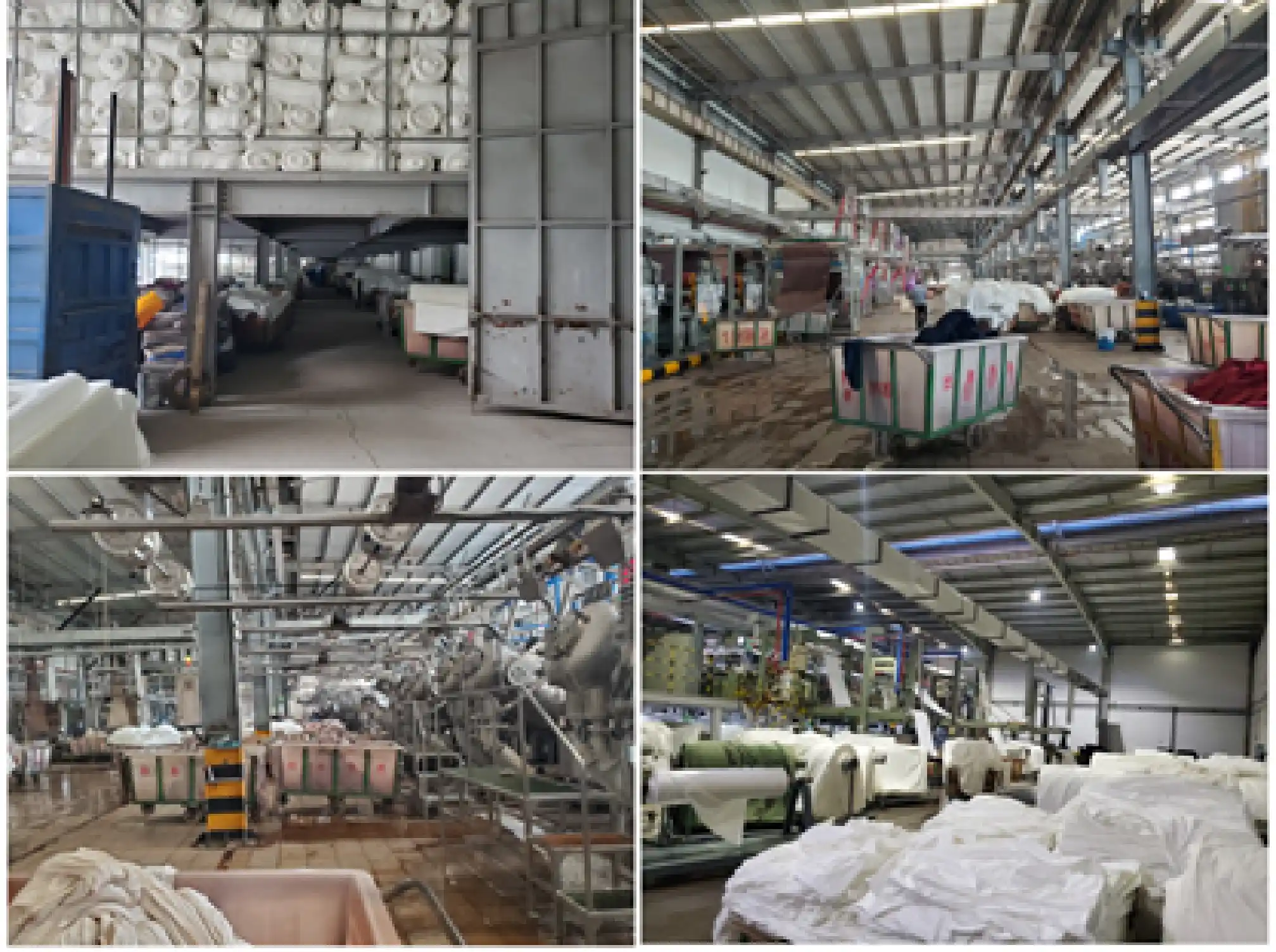
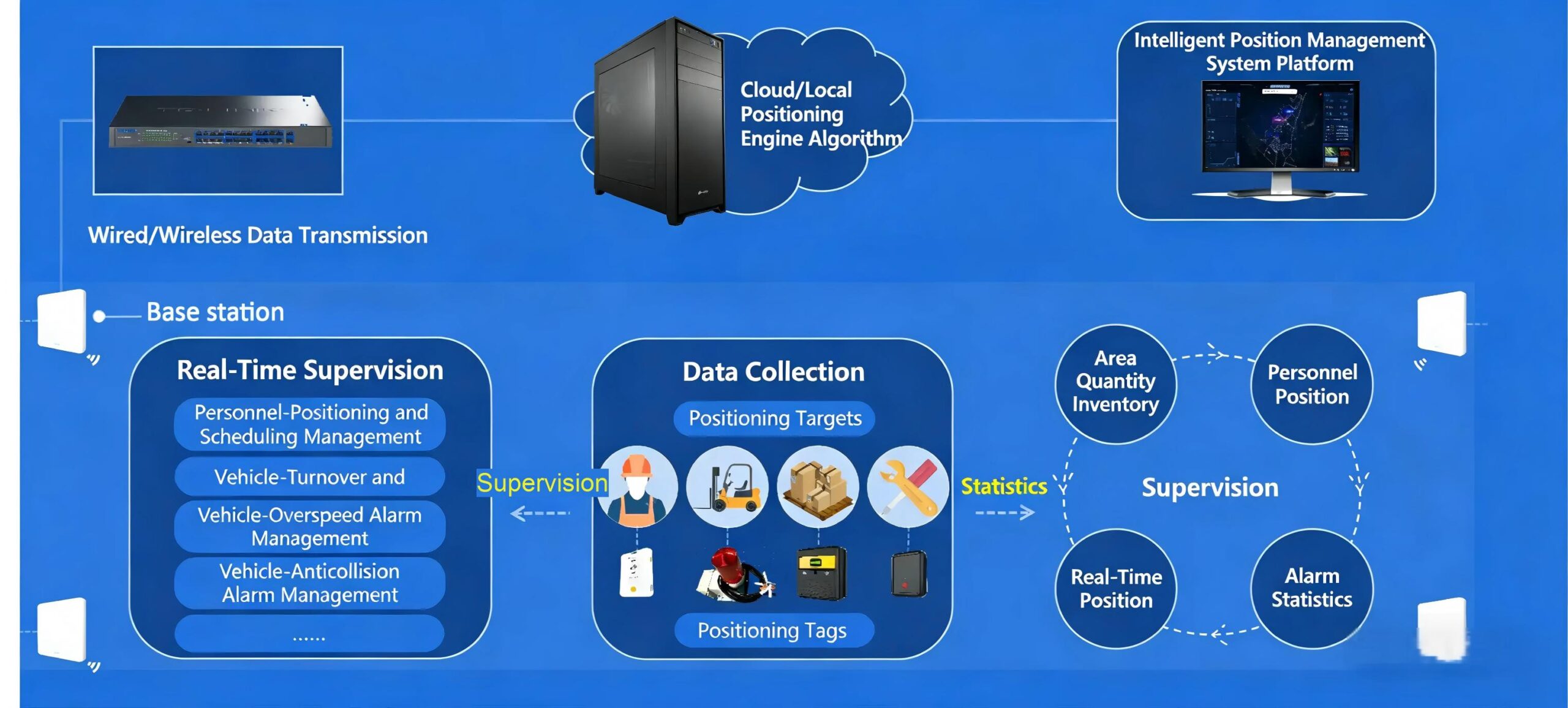
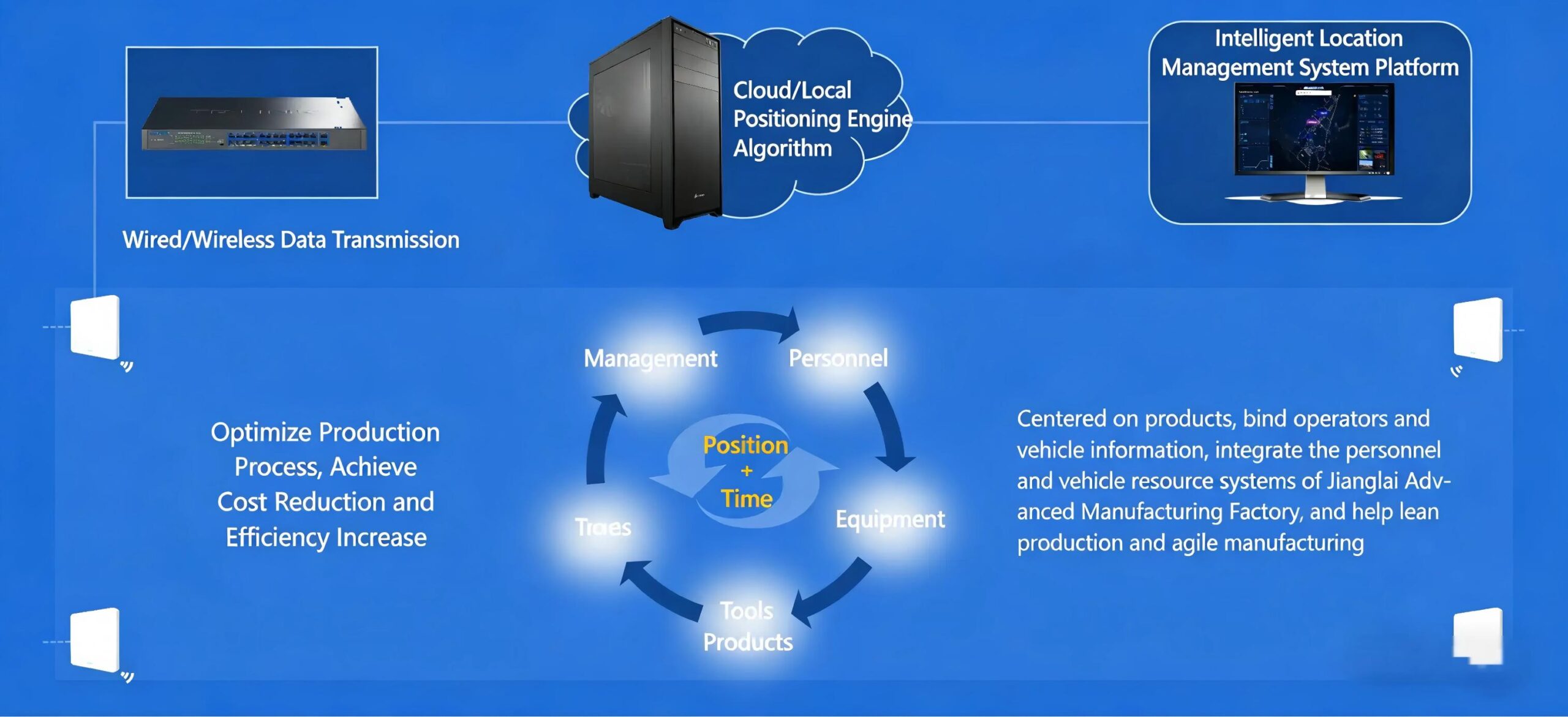
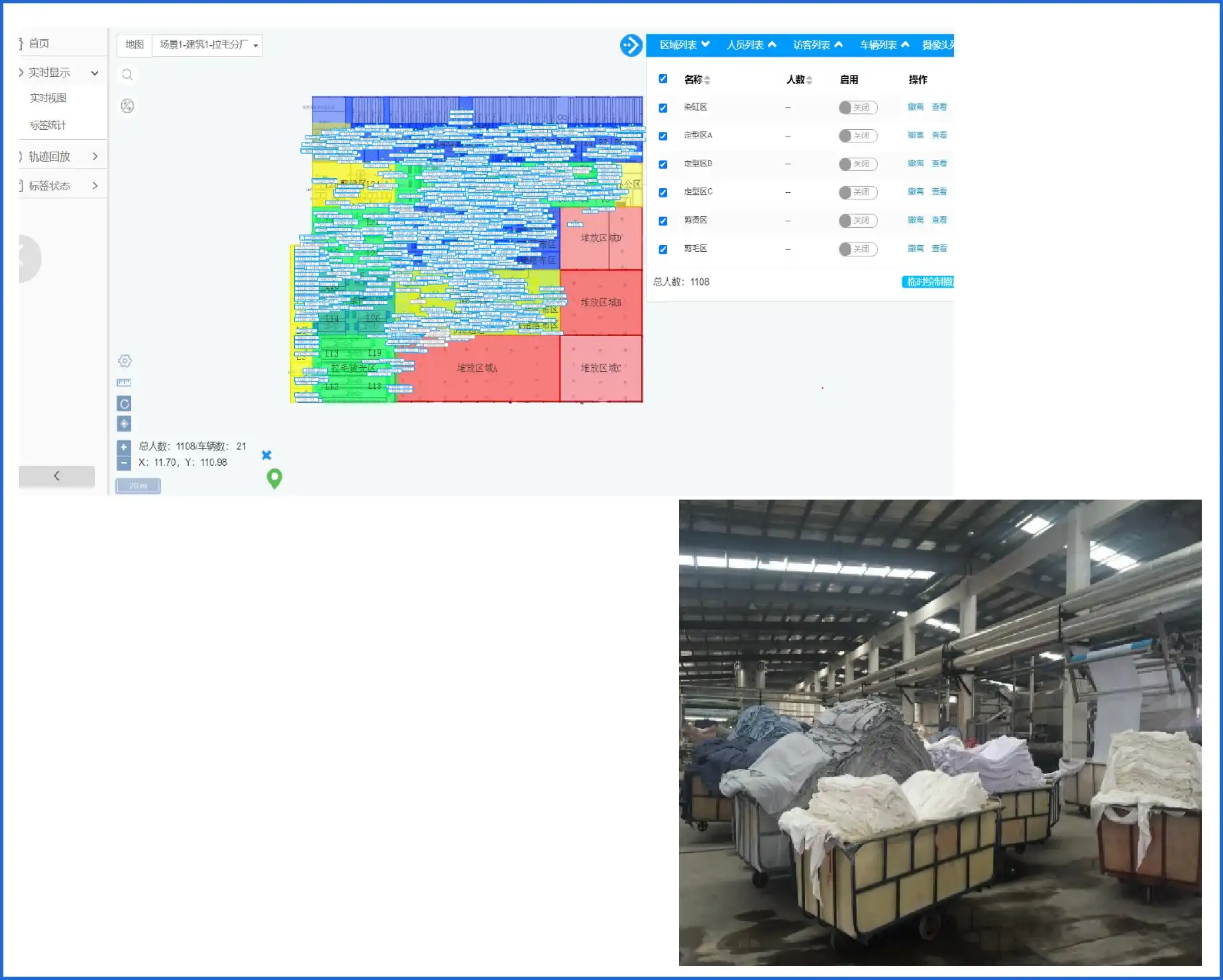
Textile printing and dyeing workshops process orders with diverse requirements on a daily basis, with a huge processing volume. Each order has different specifications for fabric materials, requiring quick access to corresponding processing materials. Currently, there are over a thousand fabric trolleys in daily operation. The following challenges exist in routine production management: ●Each material trolley stores different raw materials and finished products. A significant amount of production time is spent searching for the correct material trolleys, and material inventory taking is difficult, which impairs production line efficiency. ●The daily order workload is heavy, and there is a lack of an automated monitoring and analysis system to verify whether the materials at each processing station are correct. ●Production progress and time management lack data support, making full visual control of the production process impossible.
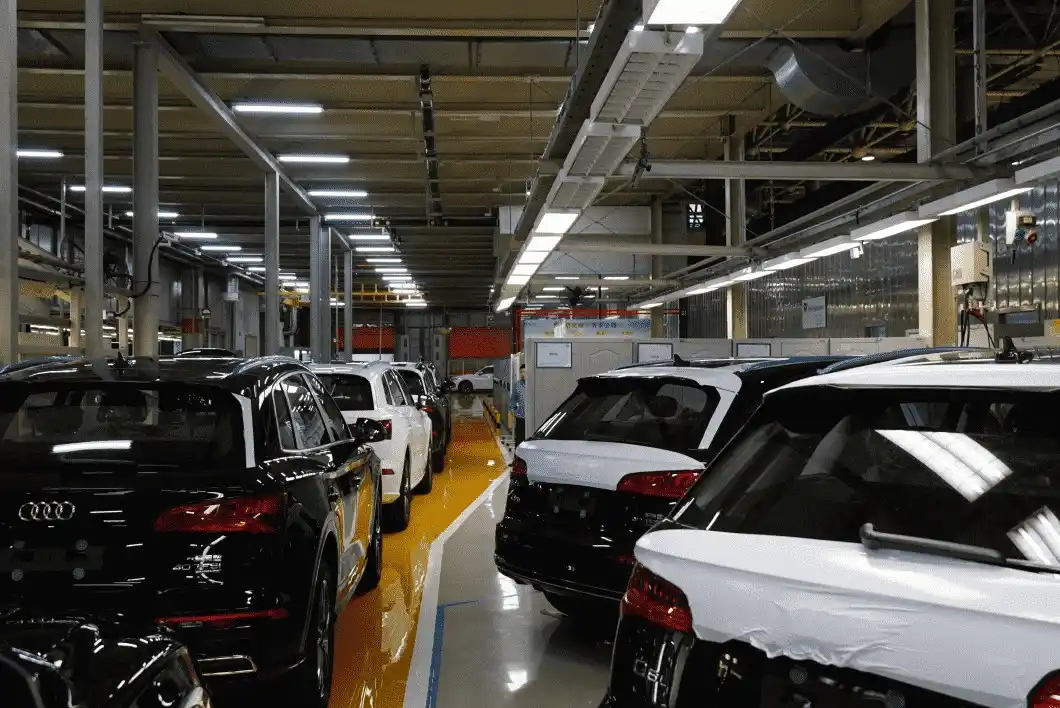
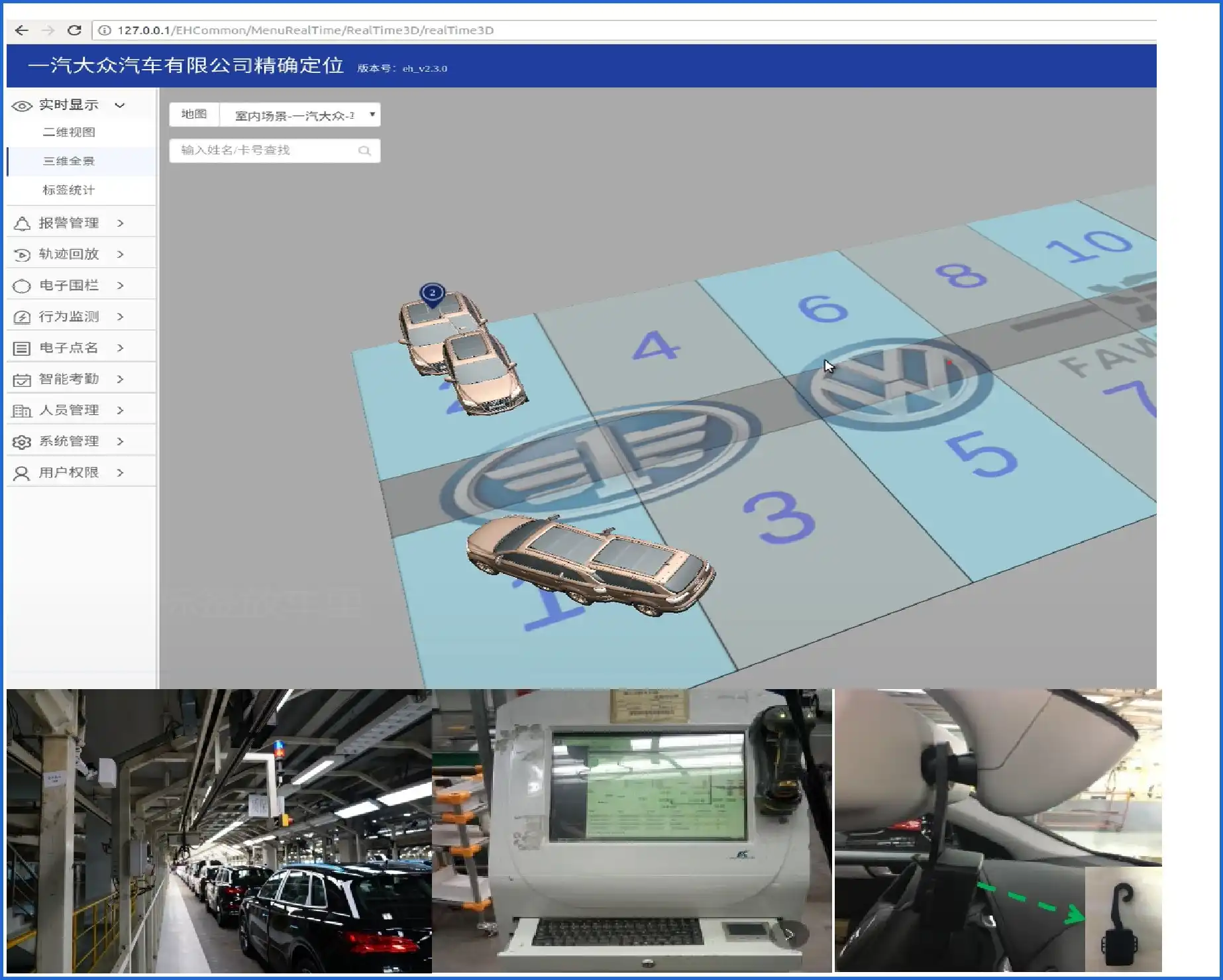
● No tools for trolley locating: Relying entirely on manual searching, which is time-consuming, labor-intensive and inefficient; ● No trolley historical trajectory tracking tool: When trolley positions change, re-locating trolleys is highly inefficient, and trolleys often cannot be found at all; long waiting times occur when customers need to view trolleys. ●ow level of informatization in trolley management: Manual recording and analysis result in low efficiency; ●Information such as area inventory and area parking space load is recorded, counted and analyzed manually via spreadsheets, leading to low efficiency and delayed updates; ●Optimization and improvement lack data and system support, resulting in inaccurate and untimely effect feedback. ●Opaque process of vehicle model inventory in the garage, with low inventory efficiency: A single inventory consumes a large amount of manpower and material resources; ●Vehicle model inventory in the garage relies purely on manual paper-based recording, making later data retrieval cumbersome and unable to quickly query required data.
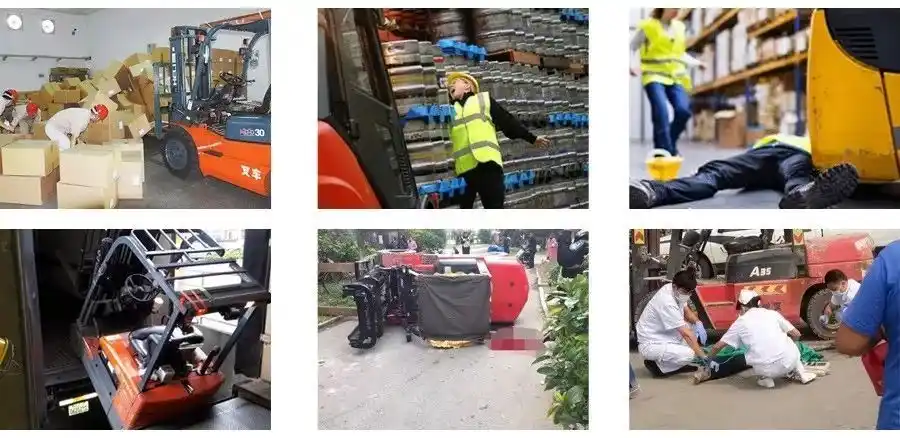
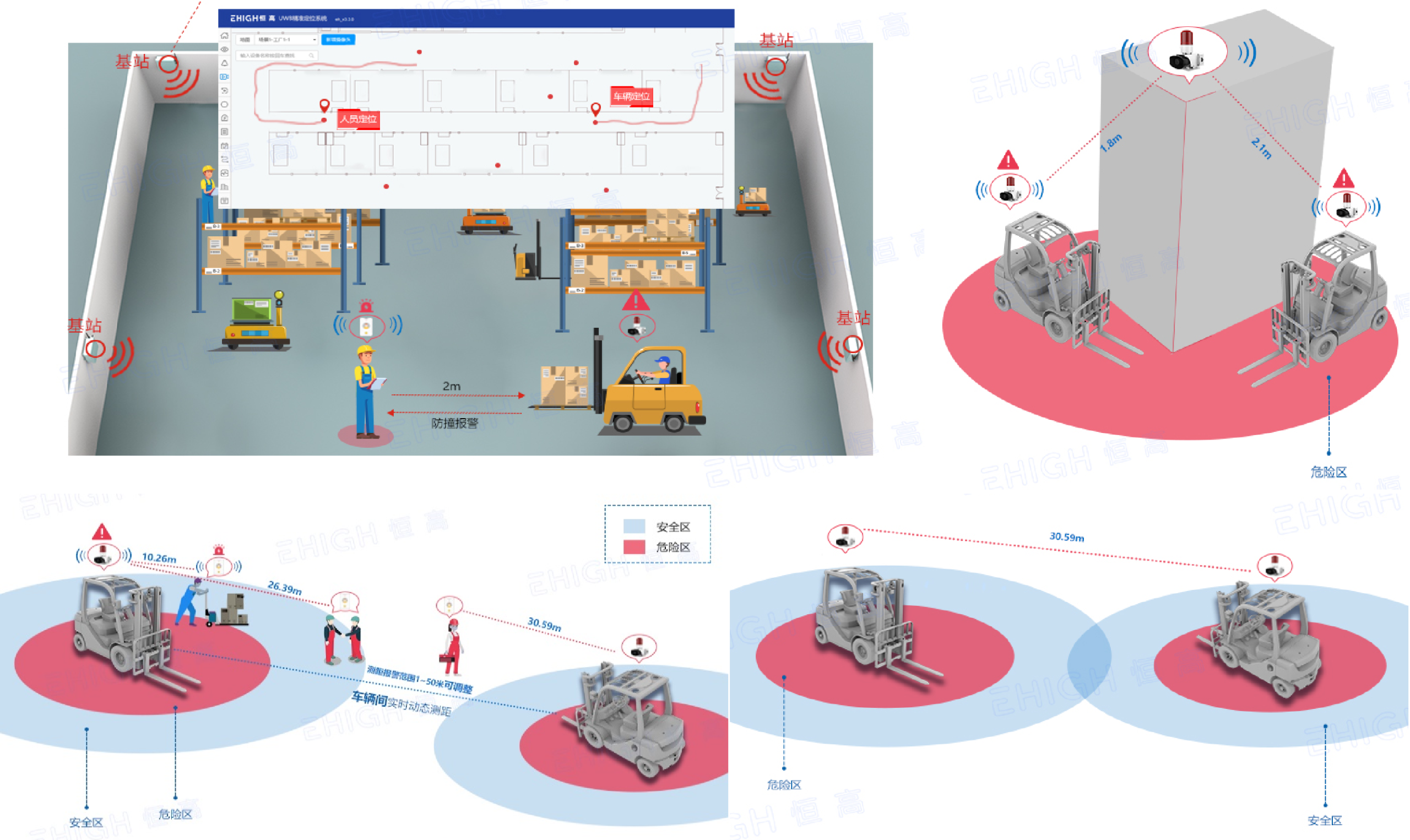
While forklifts provide efficient material handling and create value for enterprises, they also pose considerable safety risks. In daily forklift operations, a large number of serious accidents occur due to blind spots, fatigue, speeding, and improper turning, including scraping, collision, crushing, and crashing. In addition, there are irregular operations such as cross-operation, illegal personnel carrying, and unauthorized parking of forklifts. Daily supervision is difficult. Once a safety accident occurs, it will lead to serious consequences such as production line shutdown and work-related injury compensation.
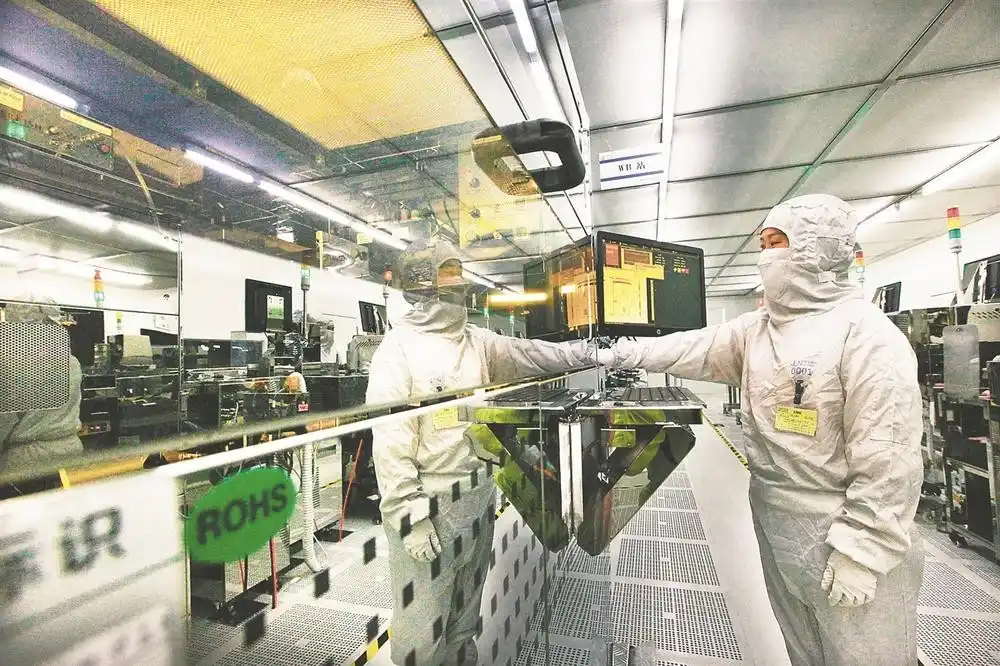
In flexible screen production lines, professional technicians are required to record various material parameters, equipment parameters and other information on site. In the event of an emergency fault, they must reach the site immediately for troubleshooting. Meanwhile, personnel at key work positions are not allowed to leave their posts without permission. However, the production site covers a large area with numerous production lines, and frequent staff movement makes supervision difficult. In addition, dispatching the nearest technicians to handle faults via walkie‑talkies and communication calls is extremely inefficient, often requiring multiple phone calls to coordinate.
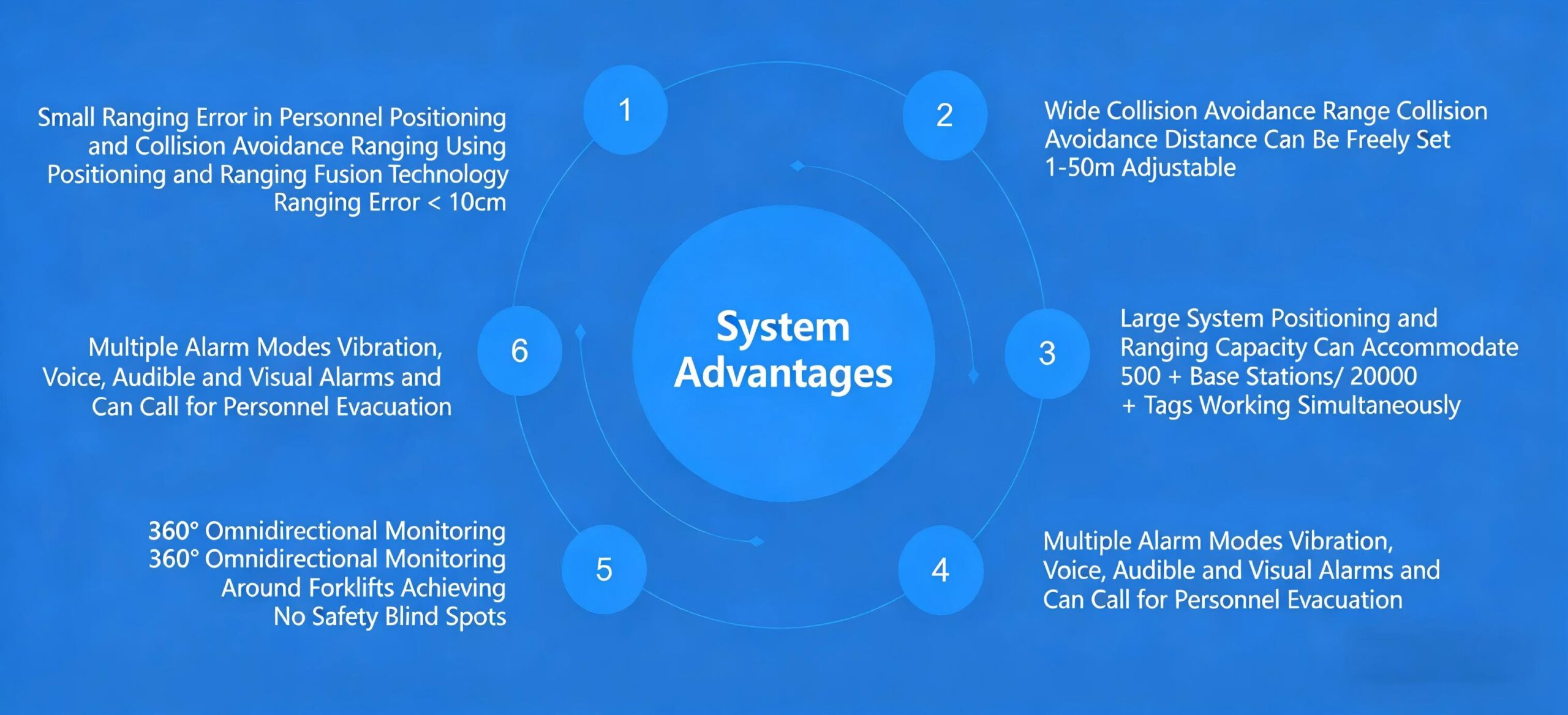
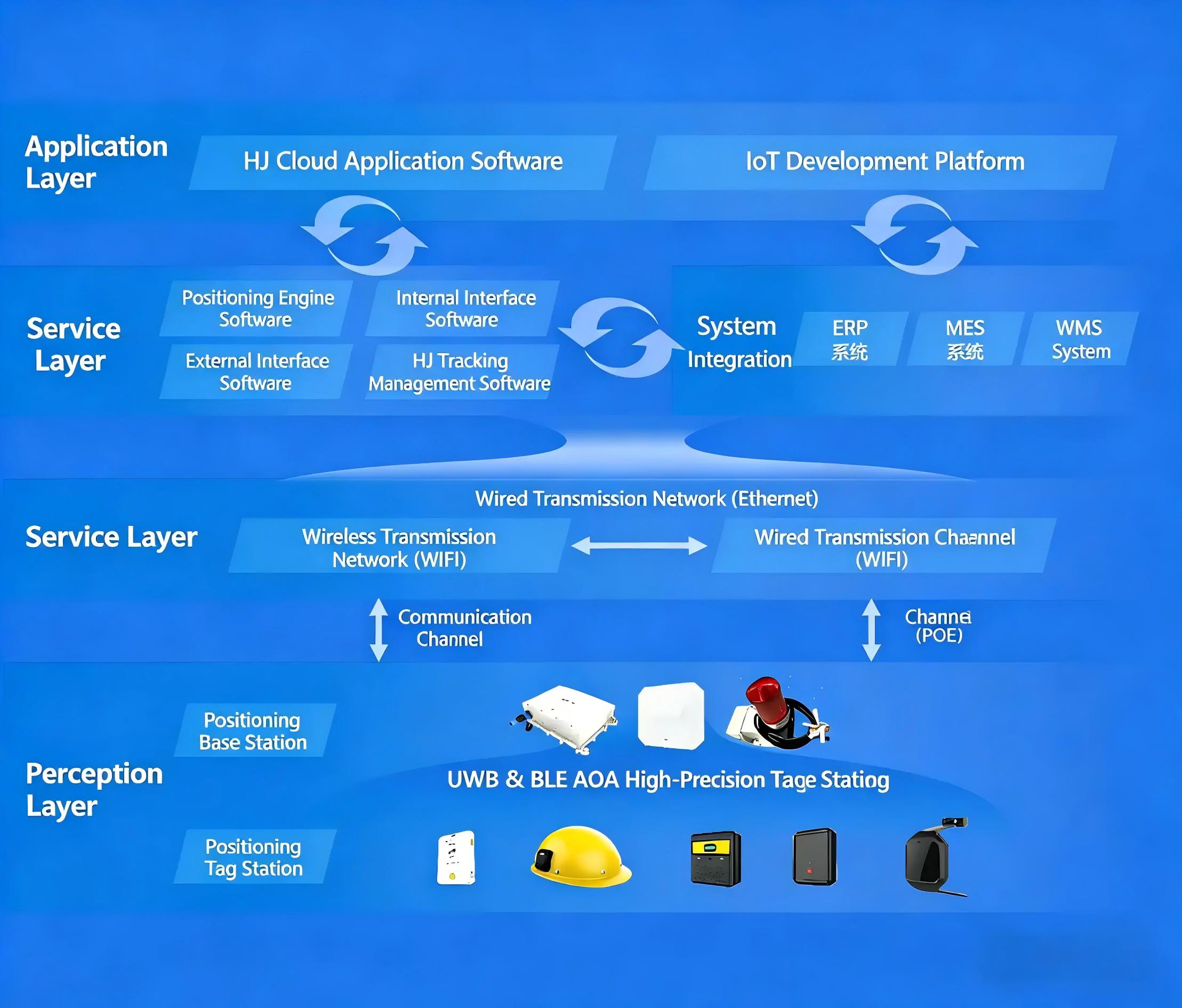
The forklift anti-collision system is a safety ranging system independently developed based on UWB technology, with a positioning accuracy of up to 10 cm. Through precise ranging and early warning, it can effectively prevent forklift accidents, while enabling real-time accurate positioning of personnel and vehicles. The system also features large capacity, strong anti-multipath interference capability and low power consumption. This forklift anti-collision system can realize functions such as personnel-vehicle anti-collision, vehicle-vehicle anti-collision and corner anti-collision, effectively preventing safety accidents caused by cross operations in workshops. Application Scenarios Forklift / tractor anti-collision Engineering vehicle anti-collision Crane / boom anti-collision
Main Products
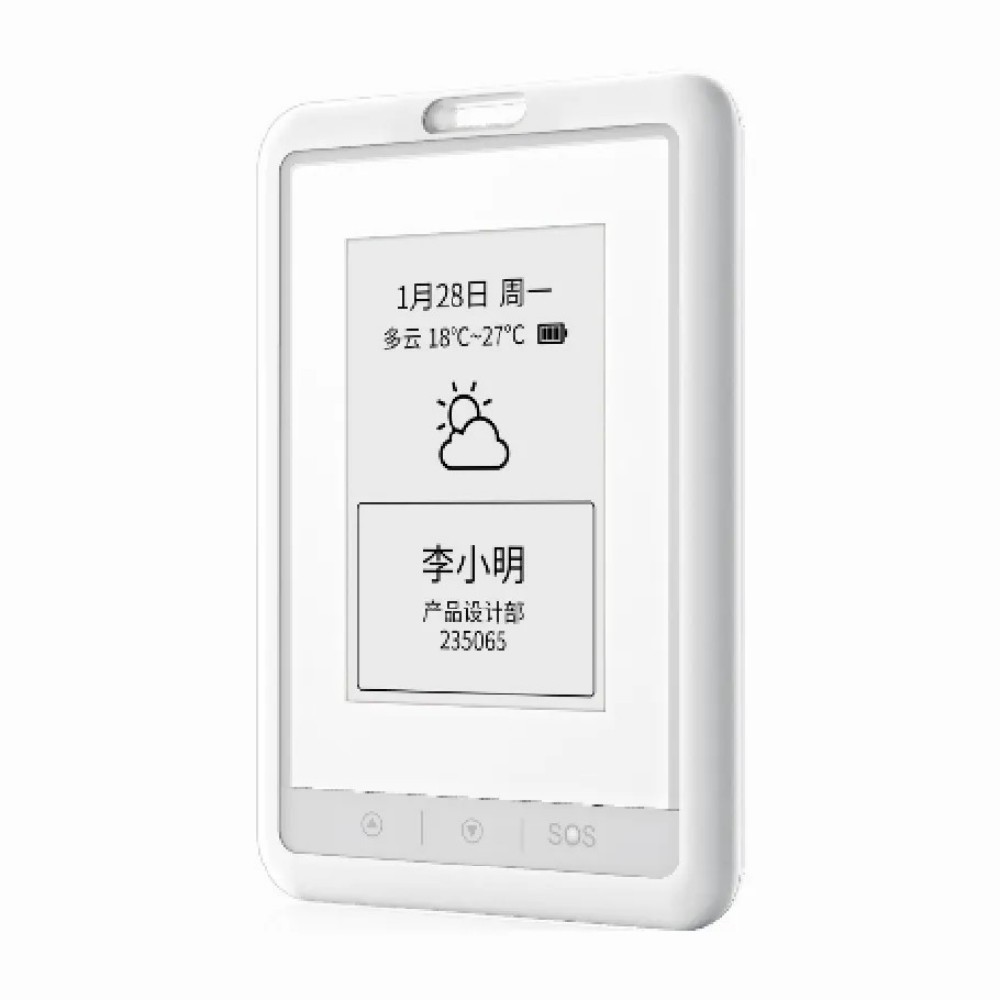
Employee ID Tag (Basic Version)
Employee ID Tag (Smart Version)
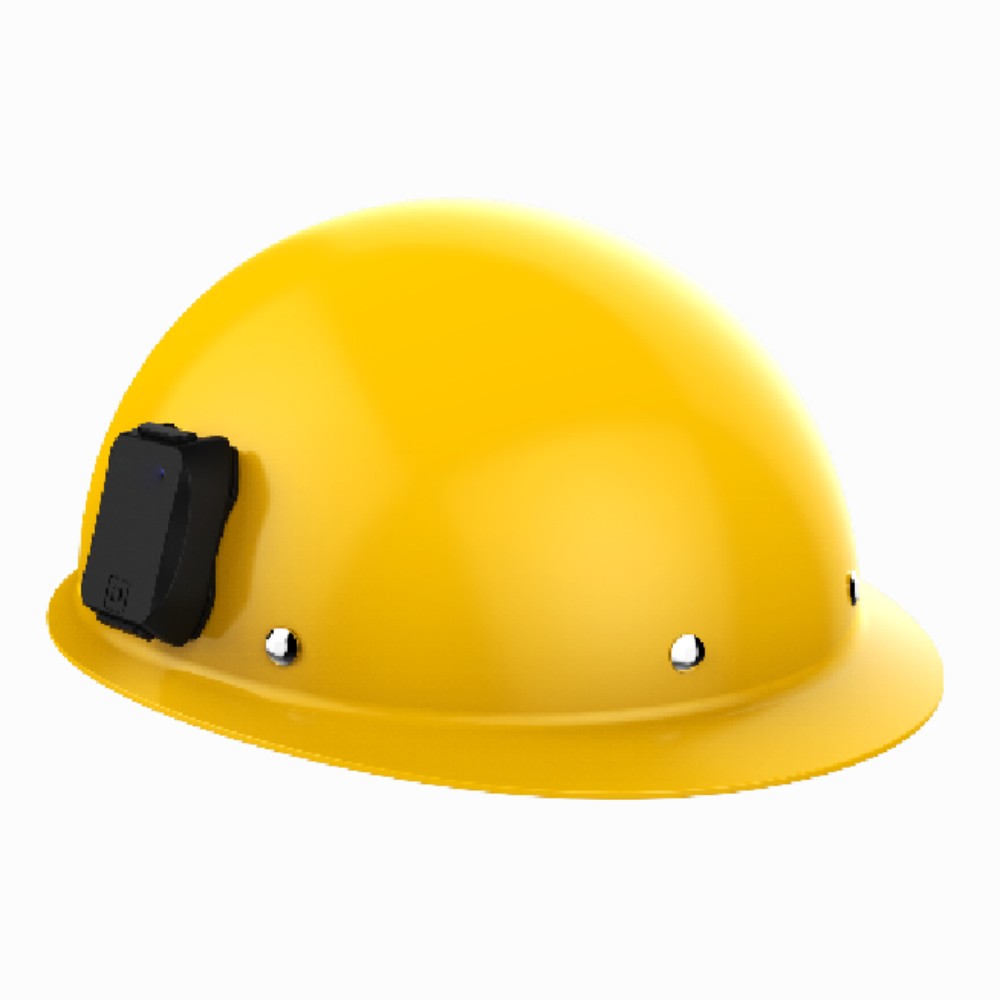
Hard Hat Tag
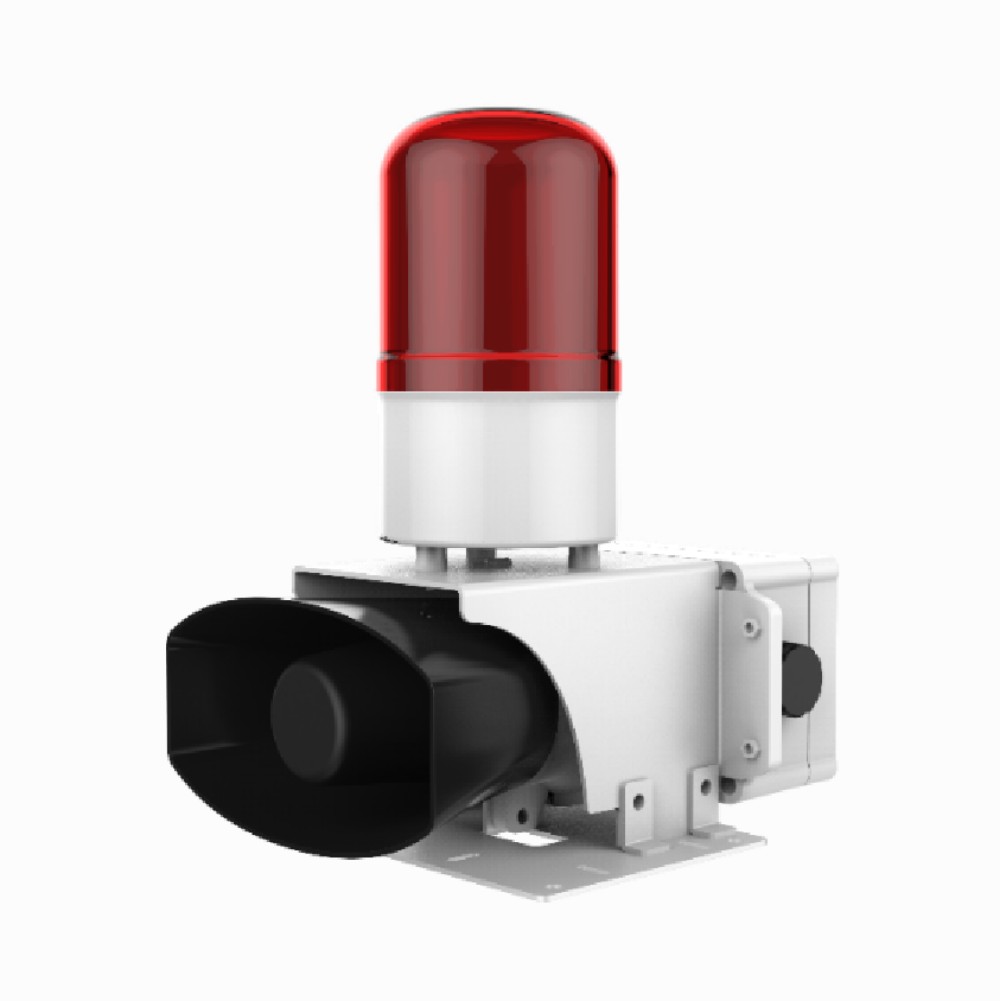
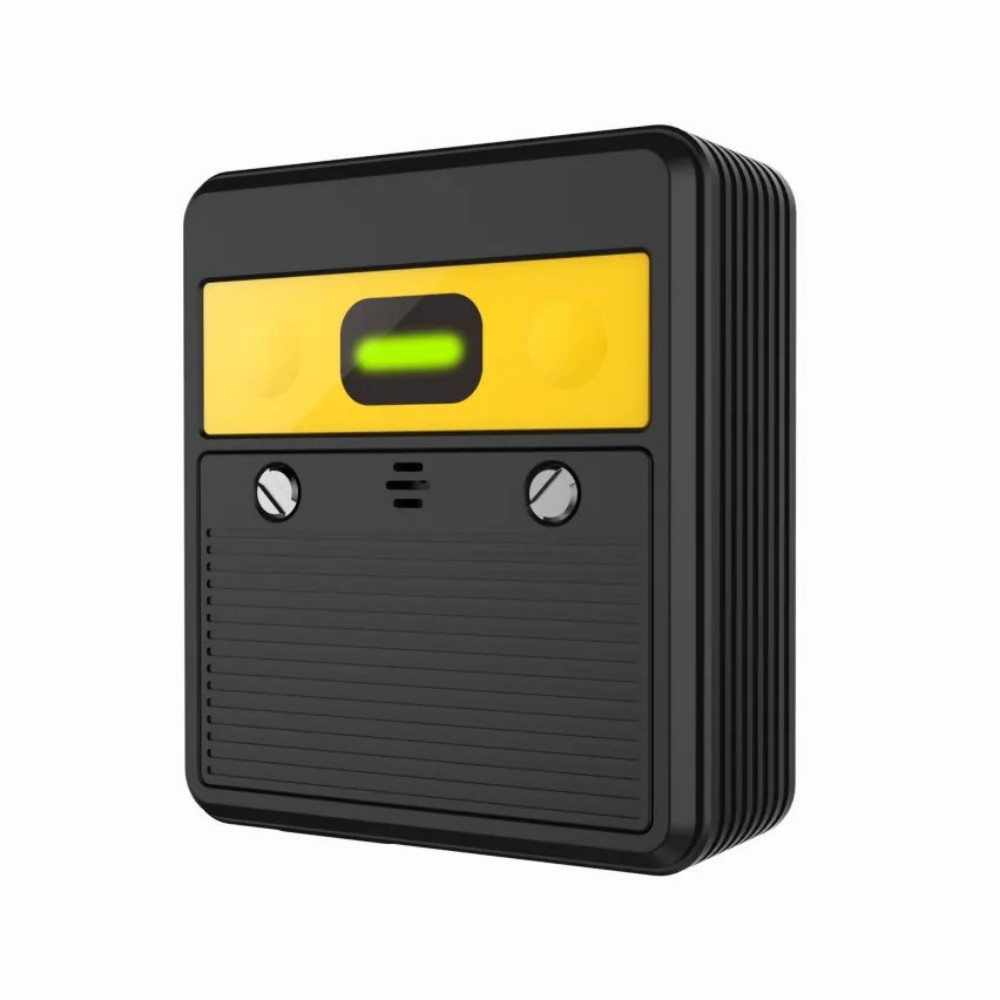
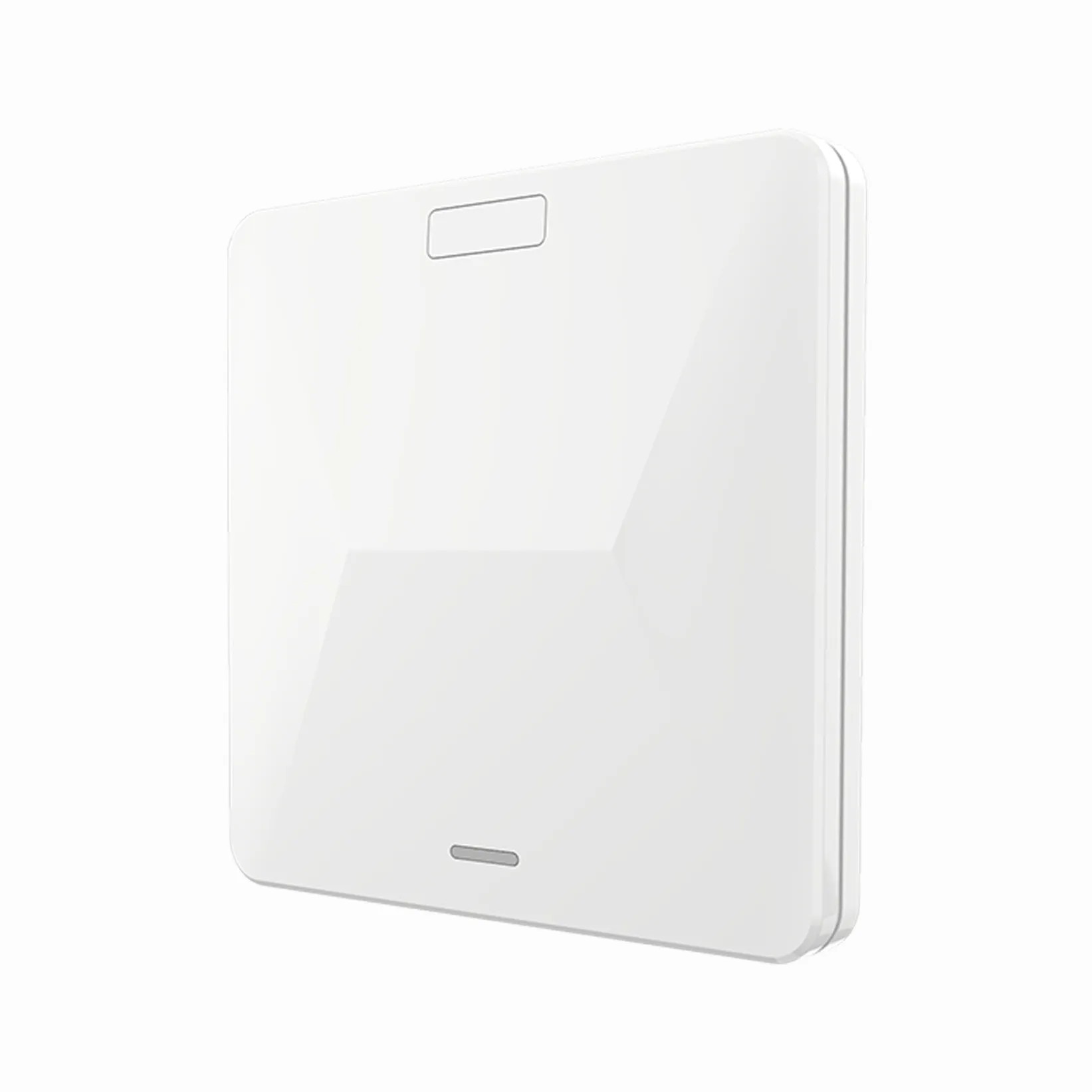
Vehicle-mounted Ranging Base Station
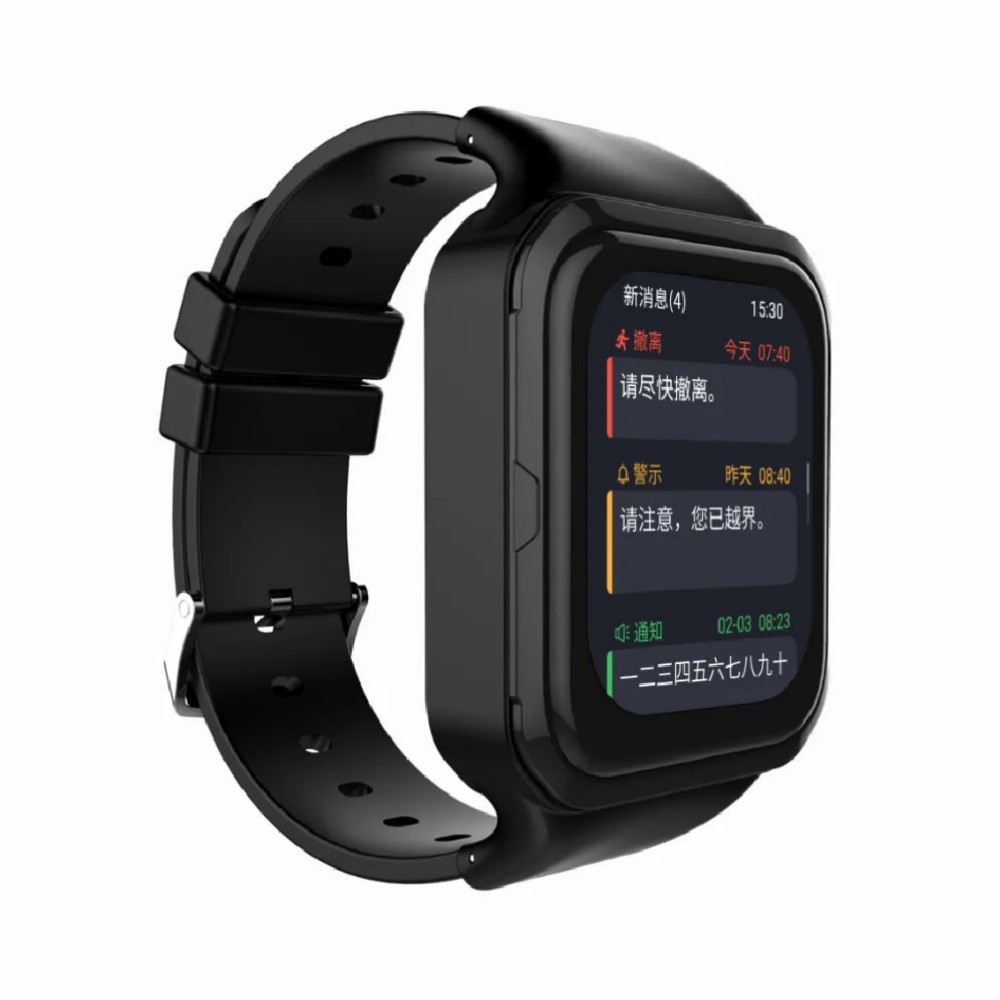
Smart Watch Tag
Multifunctional Tag
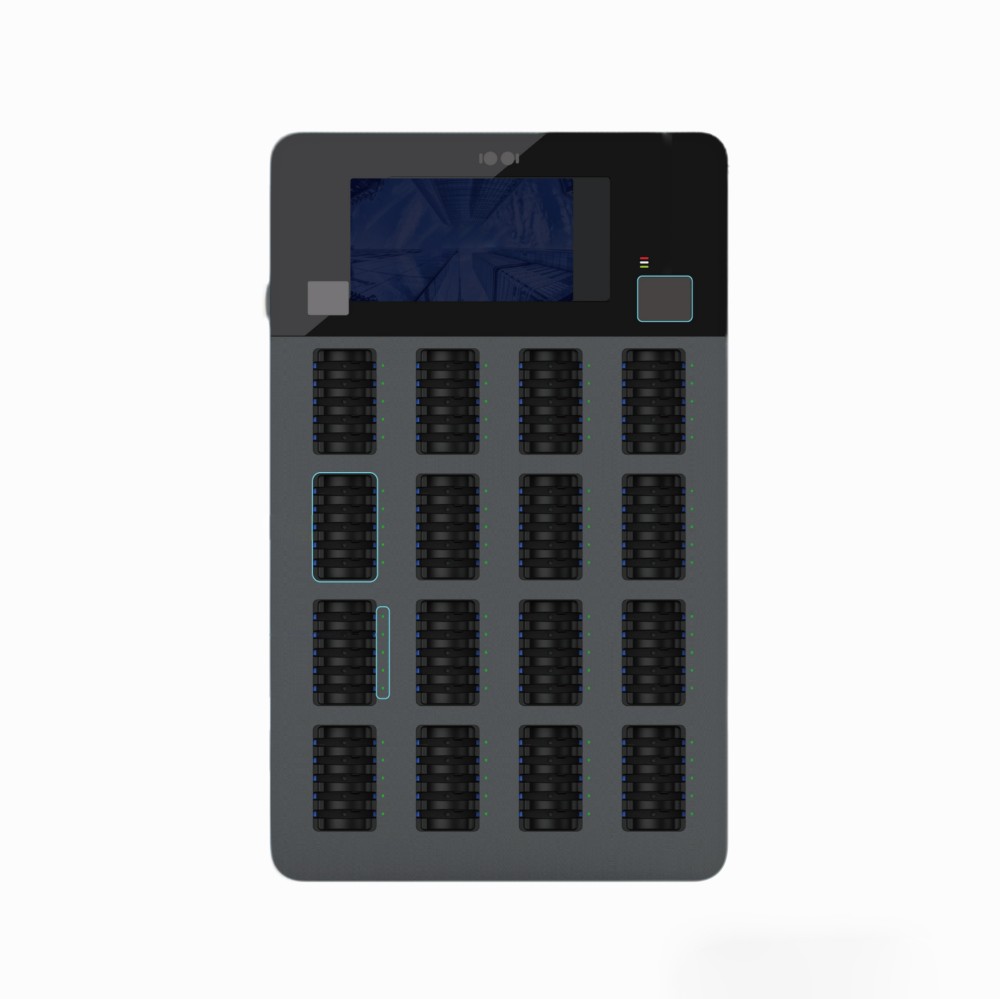
Intelligent Card Integrated Reader-Writer
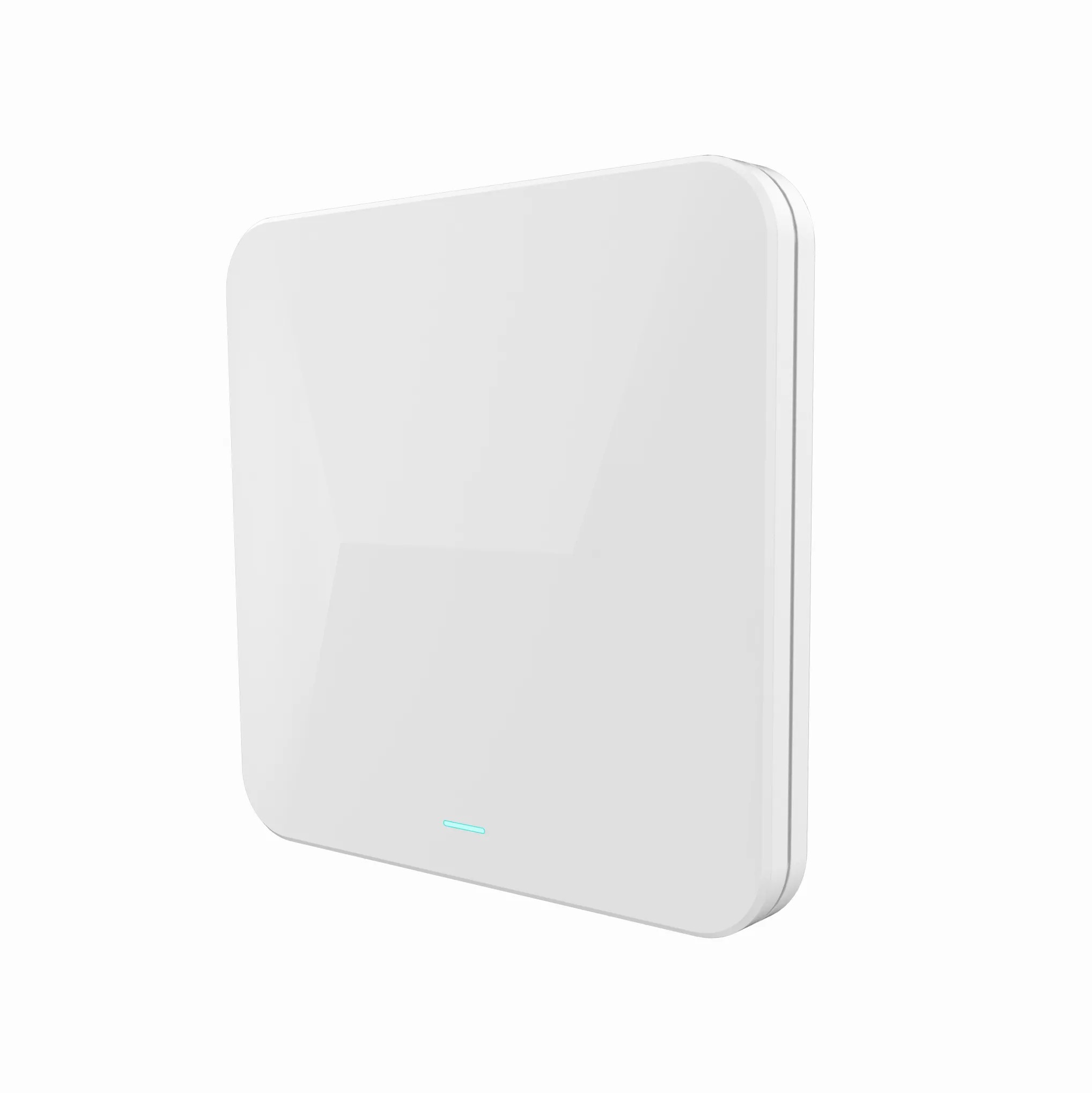
Indoor Base Station
Industrial Rugged Base Station
Classic Cases
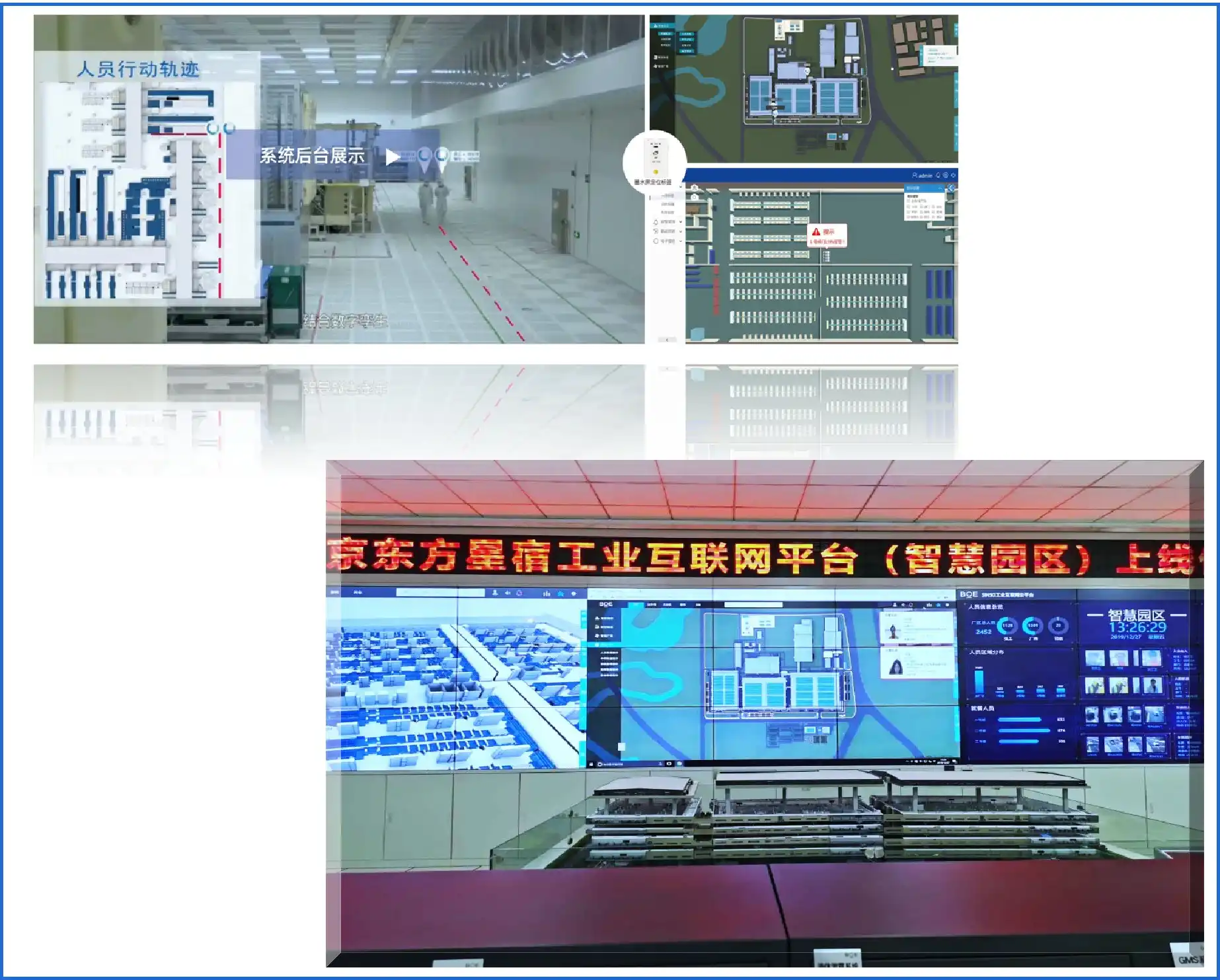
BOE Technology Group Co., Ltd. (Personnel Positioning)
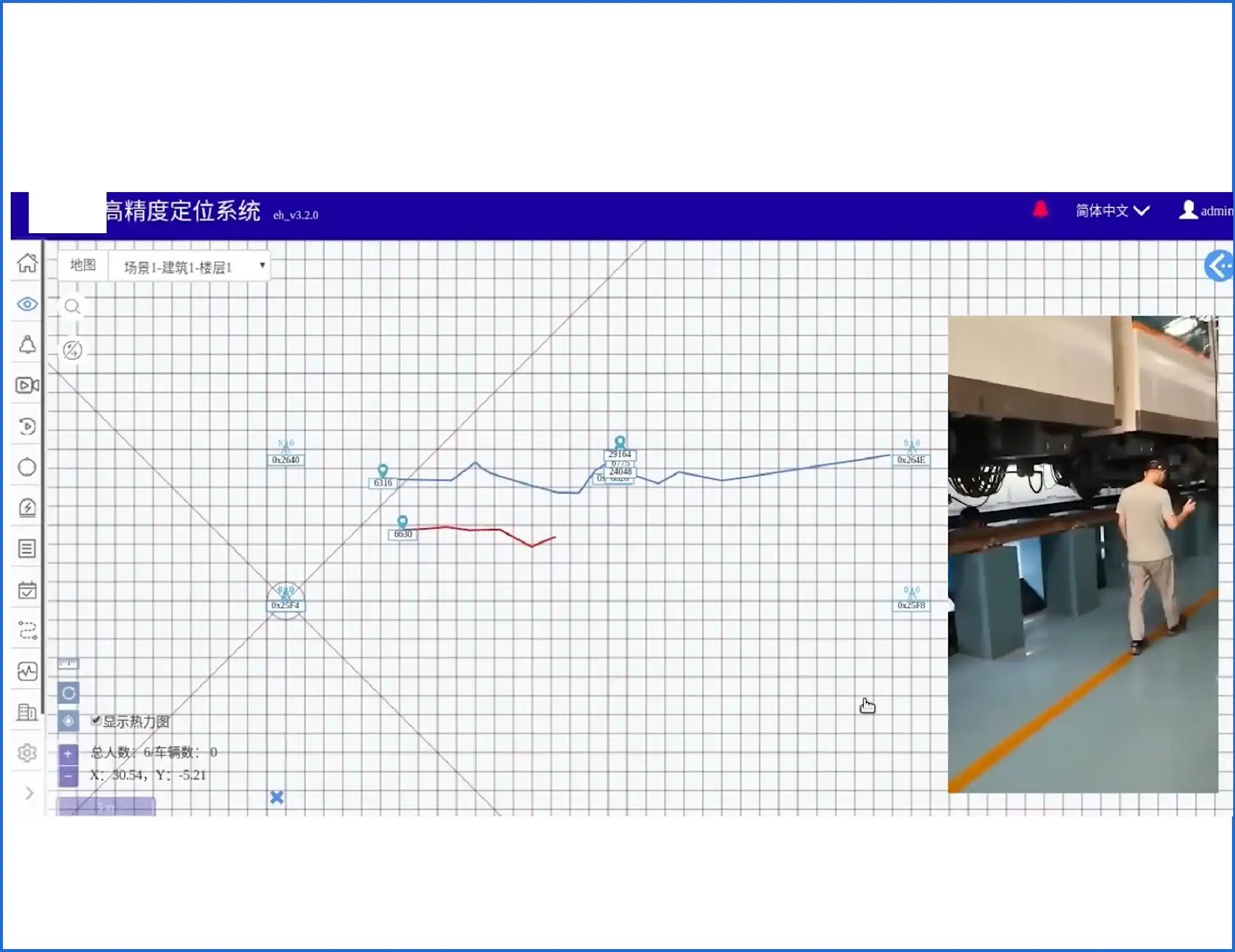
Guangzhou Metro Maintenance Base (Personnel Positioning Management)
Zhejiang Hangmin Co., Ltd. (Trolley Positioning and Scheduling Management)