Requirement Analysis
Difficulties in Safety Management
Dense personnel in areas: Chemical production involves high temperature, high pressure, toxic and hazardous substances. Overcrowding may block escape routes and raise the risk of secondary injuries such as stampede, poisoning and burns. Traditional methods cannot obtain the real-time number of personnel in the area.
Unauthorized entry into hazardous areas: Staff may mistakenly enter dangerous areas such as hazardous material zones and toxic/hazardous zones, increasing potential safety risks.
Difficulties in Personnel Management
Unauthorized absence from posts: Personnel may violate regulations by leaving posts without permission or transferring to other posts during operations.
Casual inspection work: In practice, hidden danger inspection during patrols is often a mere formality and not effectively implemented.
Solution
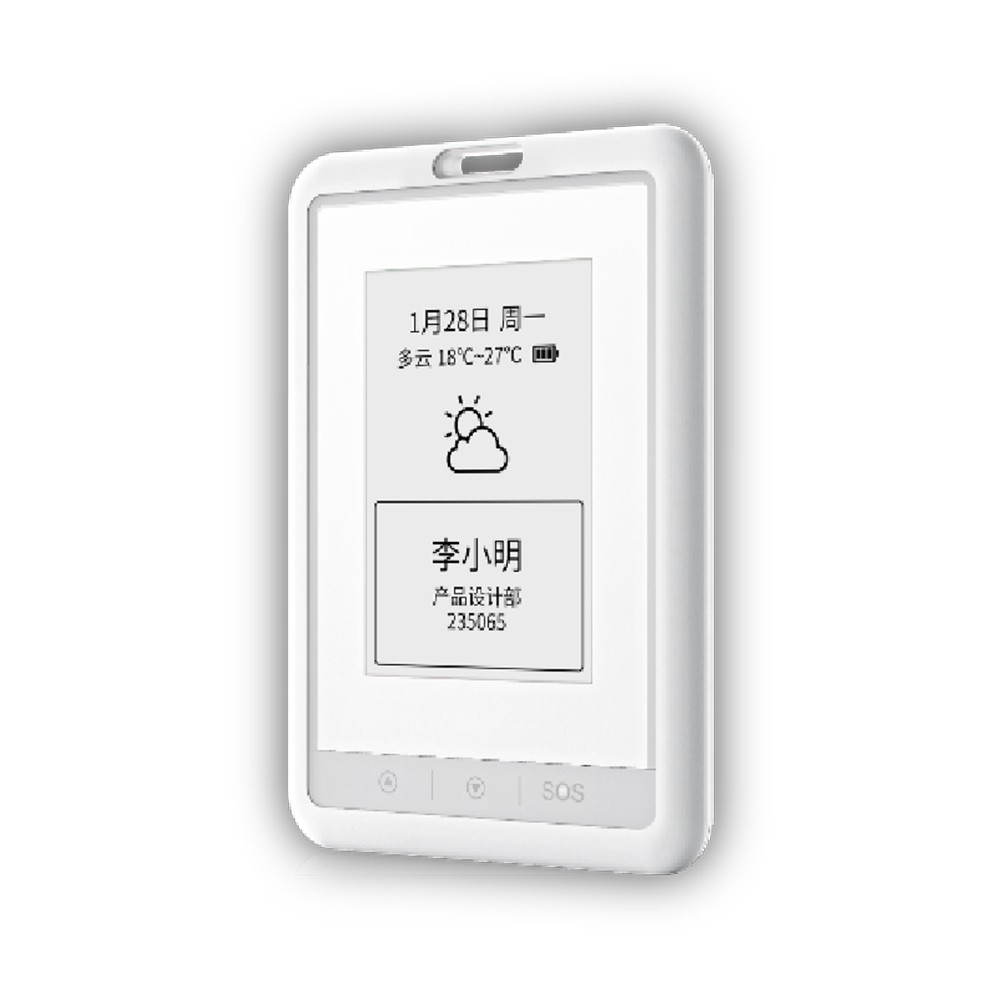
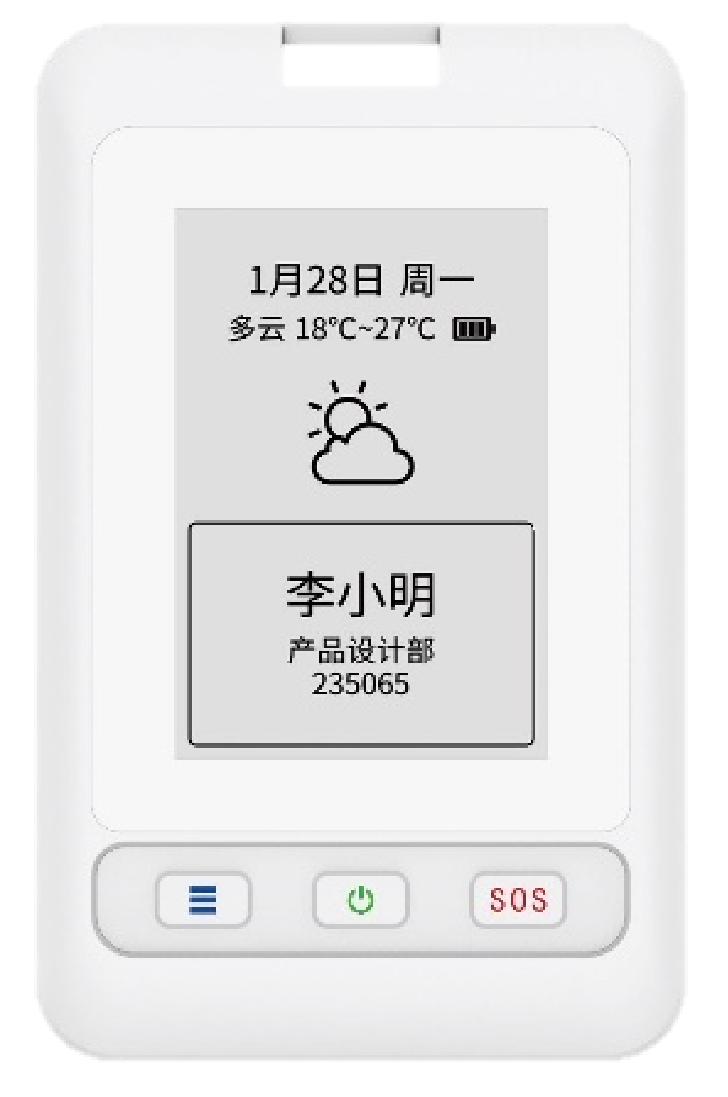
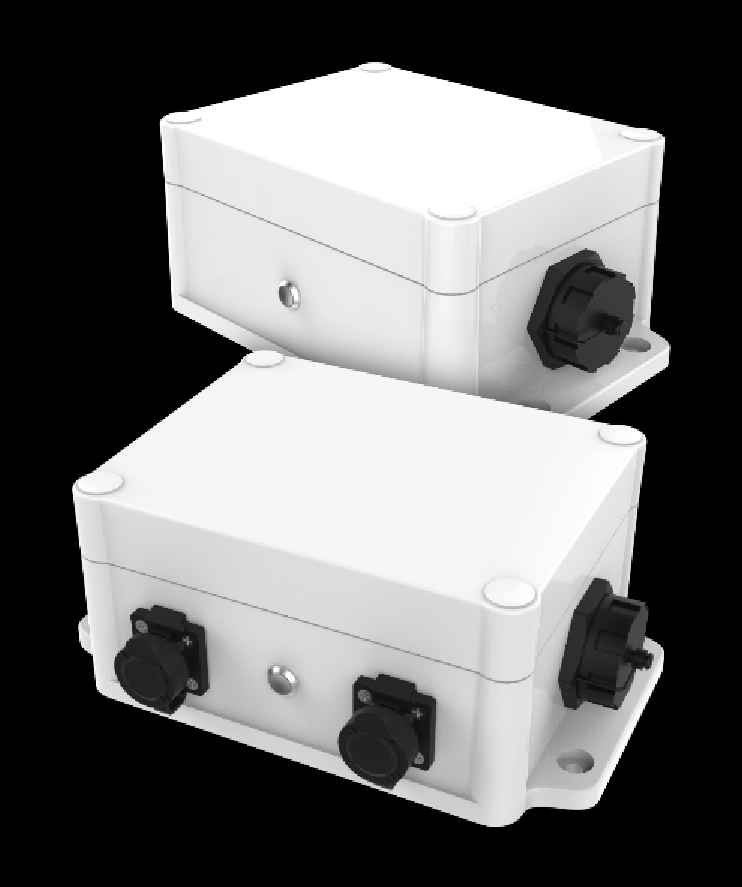
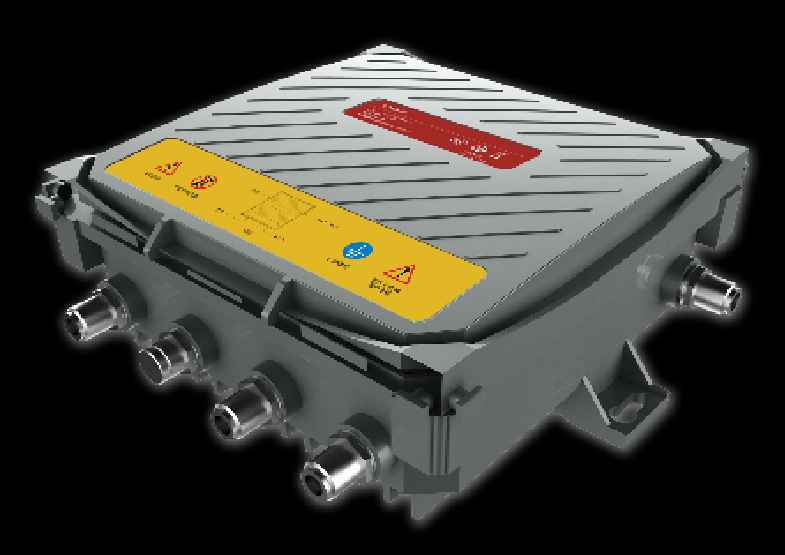
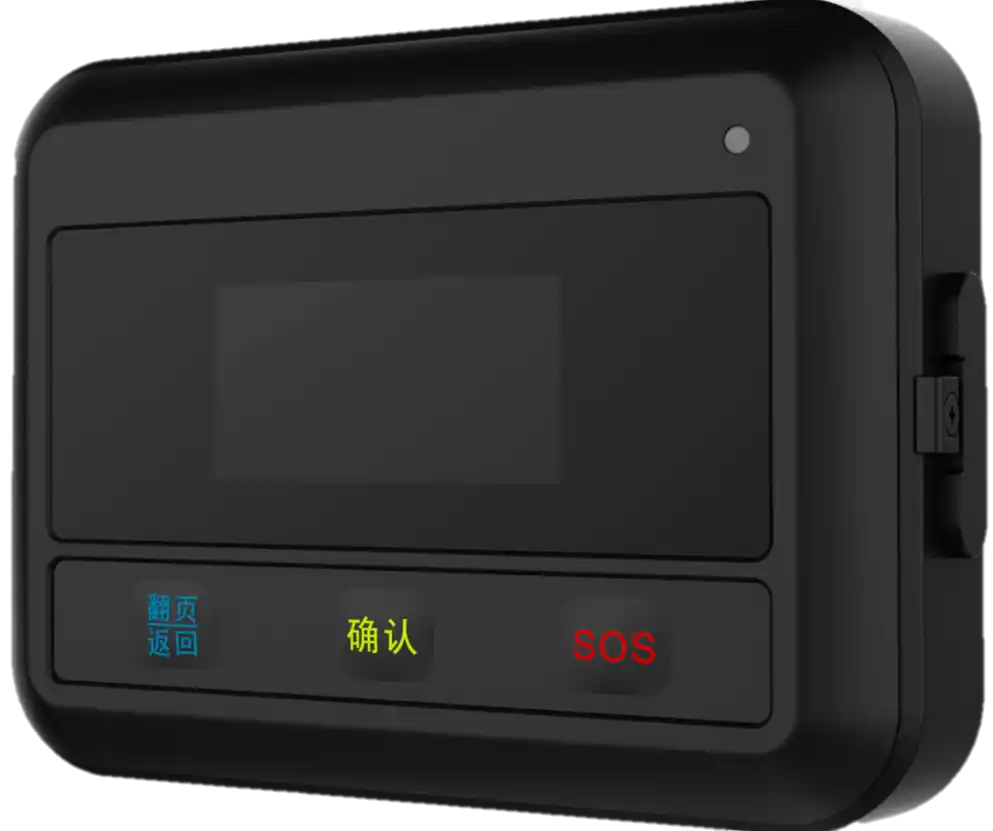
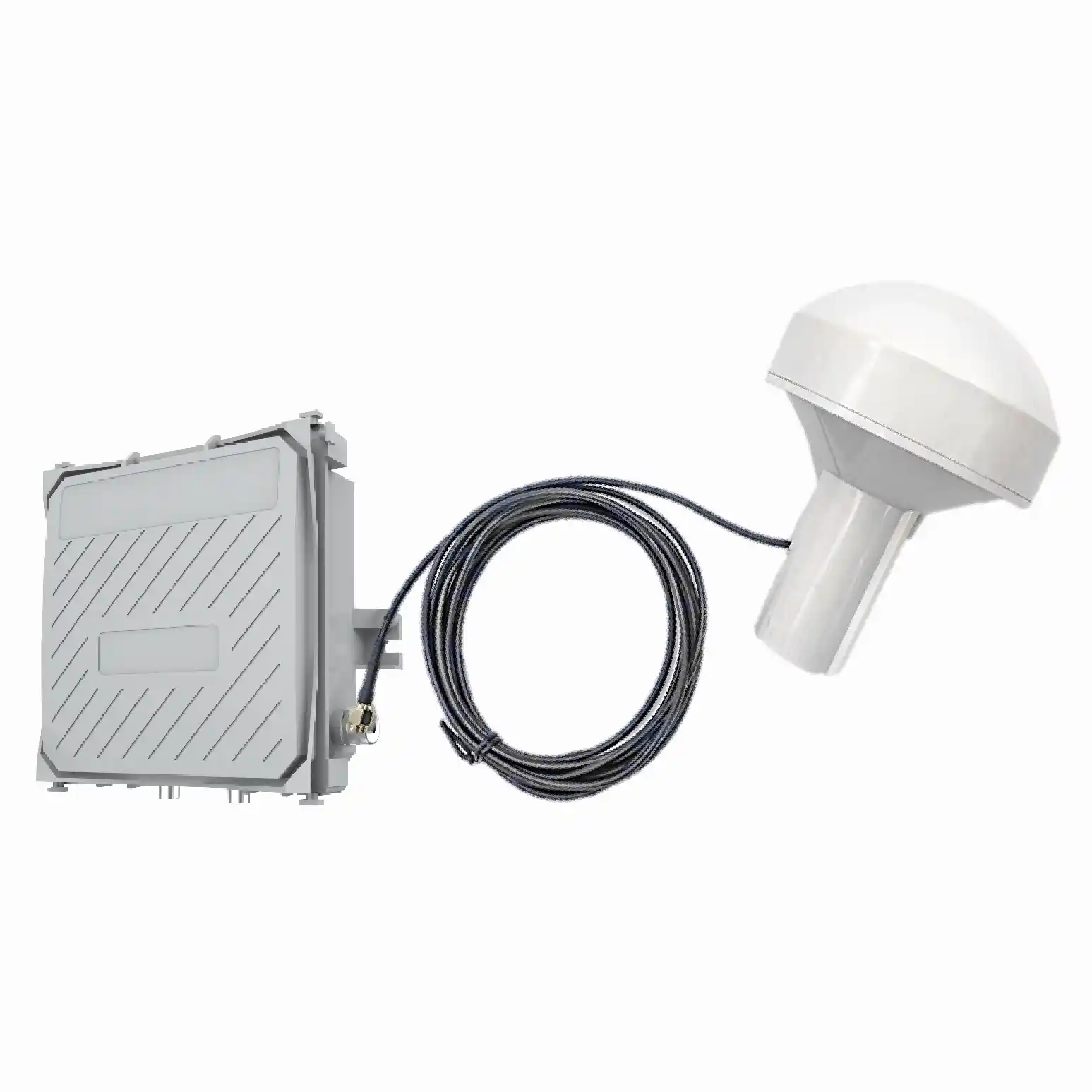
♦UWB Positioning
♦BLE Positioning
♦GNSS Positioning
Introduction to the Indoor & Outdoor Integrated Positioning System
System Overview
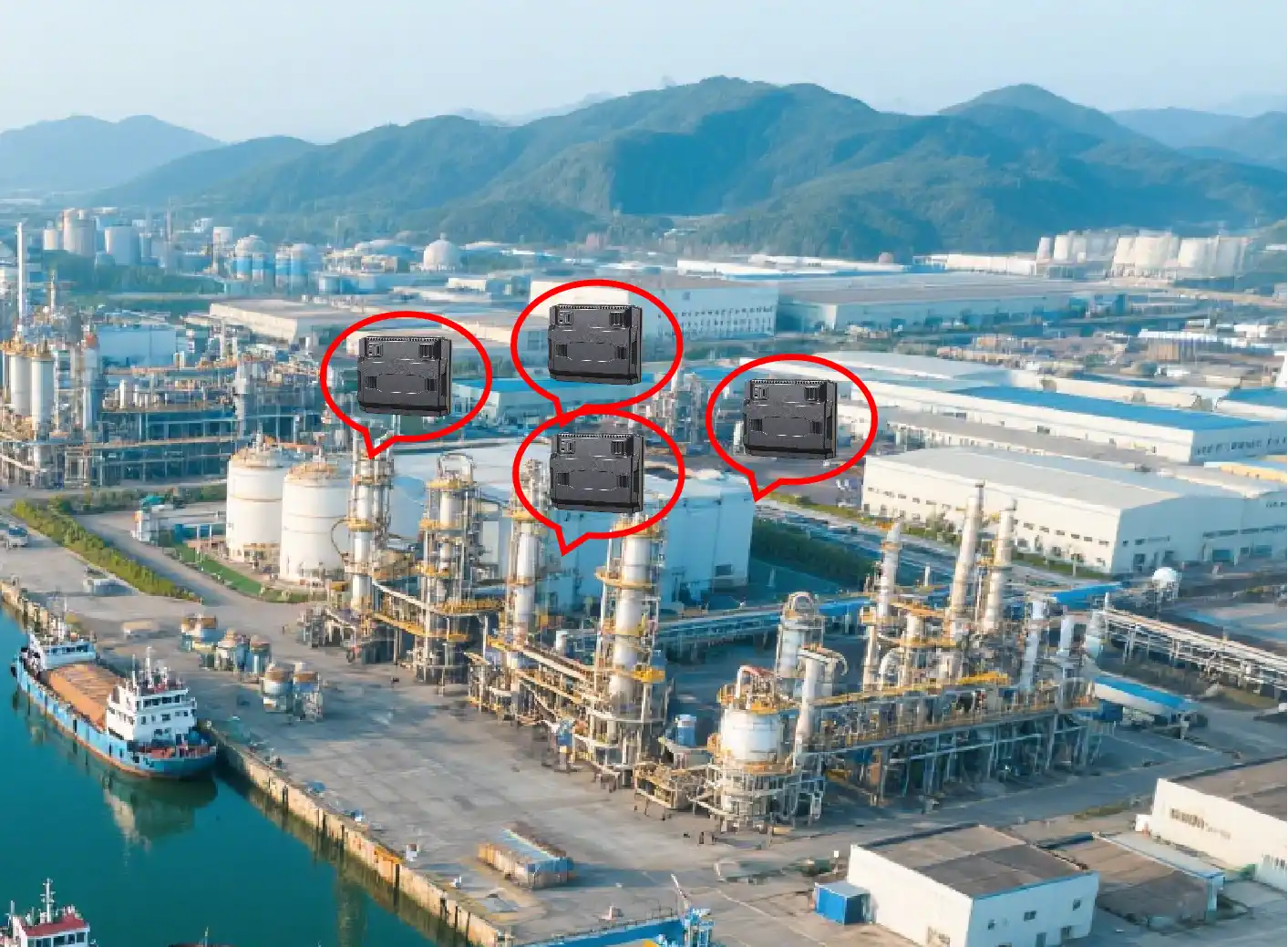
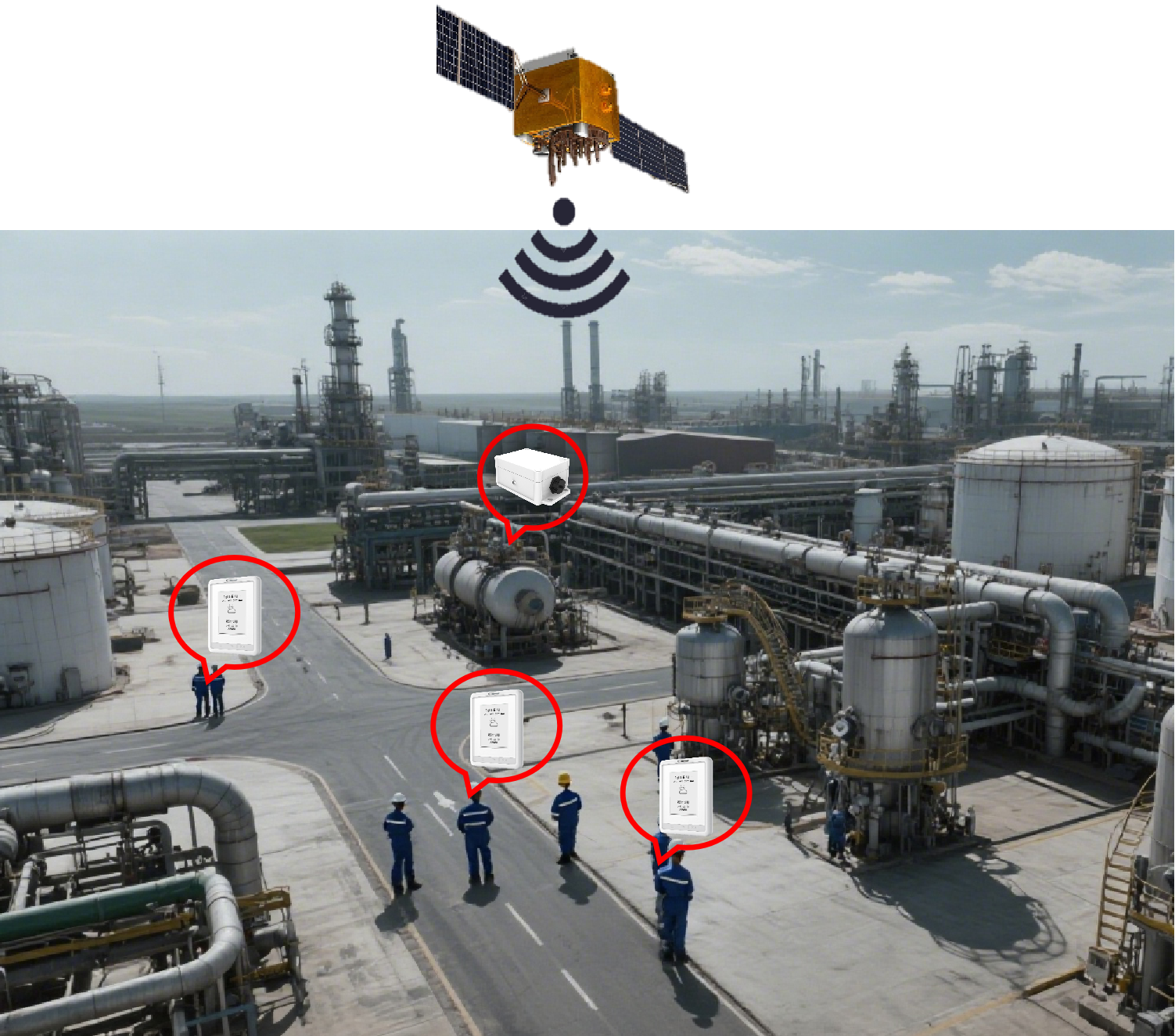
1.Scene Classification: The indoor and outdoor integrated positioning system covers both outdoor and indoor scenarios, adopting positioning technologies including satellite positioning, UWB positioning and BLE positioning.
2.Function Realization: The system can realize functions such as personnel and vehicle positioning, human-vehicle scheduling, population statistics, personnel attendance, electronic fencing, and personnel on-duty status monitoring.
3.Problem Solving: It records and displays the real-time positions of personnel and vehicles in the park; optimizes the assignment and arrangement of work tasks for personnel and vehicles; strengthens the control of key areas such as hazardous areas and confidential areas; monitors the real-time presence of personnel and vehicles in the park; and supervises the real-time on-duty status of personnel.
System Advantages
1.Centimeter-level ranging accuracy: Adopting UWB technology, it achieves high-precision positioning of 10 cm, effectively avoiding collision accidents.
2.High-precision integrated positioning: For indoor and outdoor integrated positioning scenarios, an independently developed algorithm for continuous indoor-outdoor integrated positioning trajectories is applied, which restricts jitter and drift during indoor-outdoor positioning handover to a certain extent.
3.Anti-interference and reliable transmission: UWB transmits data via nanosecond-scale non-sinusoidal narrow pulses, enabling precise measurement of signal arrival time, stronger resistance to multipath effects, and improved communication reliability.
4.Rich interfaces for easy integration: The equipment is equipped with switch value and RS485 interfaces, and provides embedded development tools, facilitating functional linkage and integration in different business scenarios.
Software Functions
—Supported Map Display Formats
—Regional Risk Level Zoning (compatible with electronic fencing)
—Personnel Gathering Alarm
—Regional Personnel Count Statistics
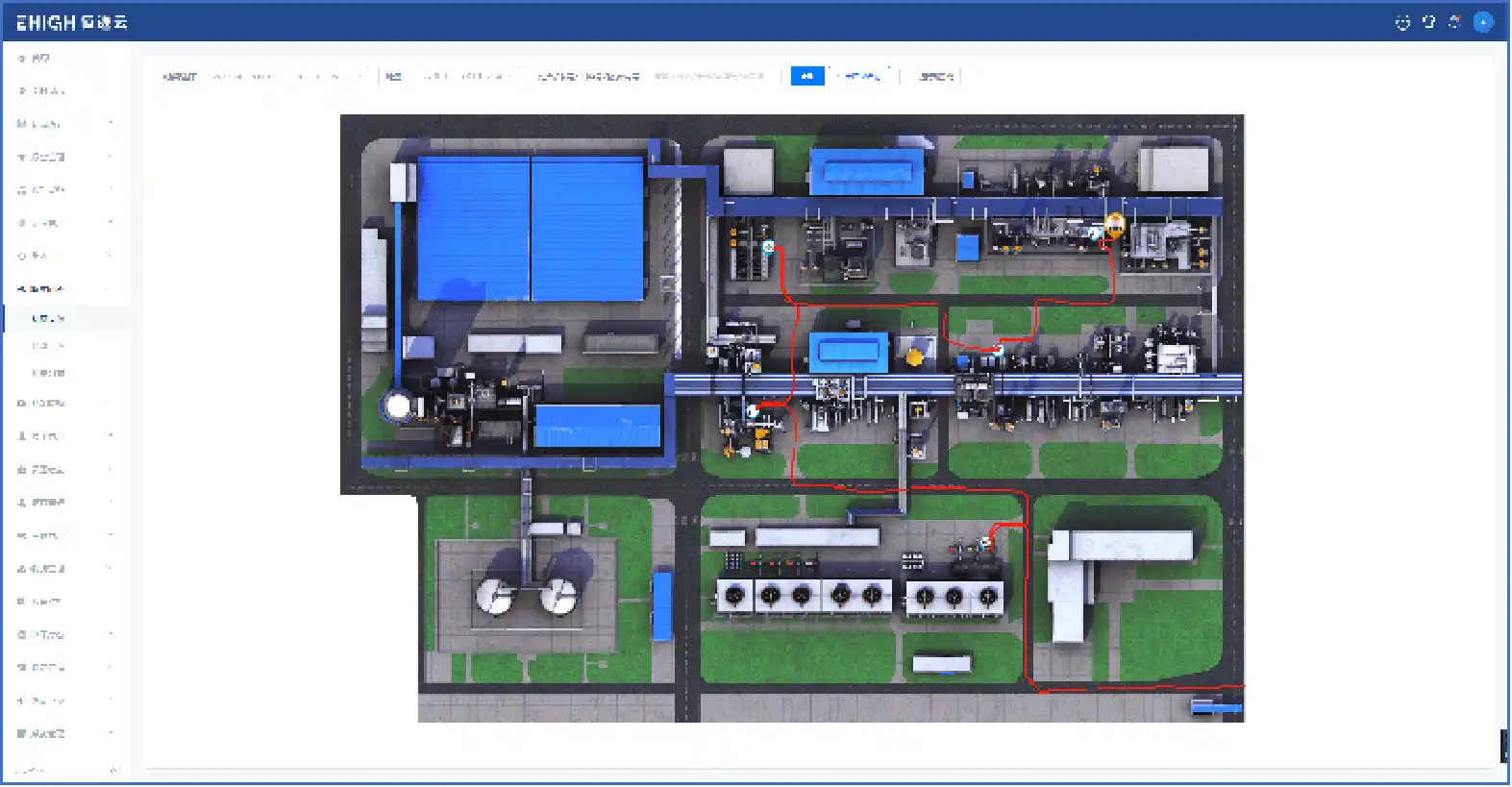
—Patrol Inspection Management
—Video Linkage
—Hazard Source Management
—Track Playback
—Alarm Management and Statistics
—Visitor Management & Vehicle Management
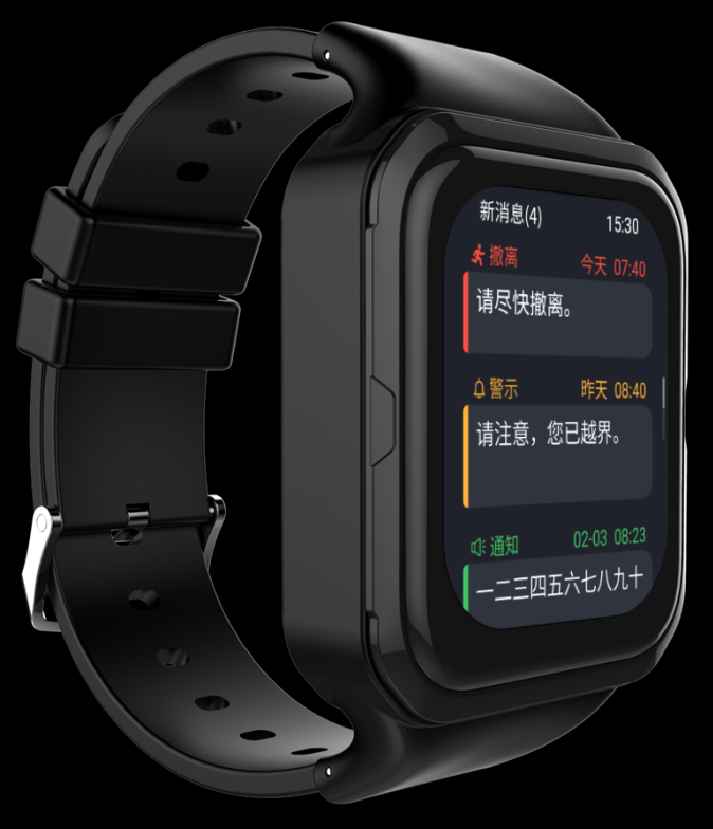
—Message Issuance & Evacuation Instruction Issuance
—Equipment Management