


Challenges in port and terminal operations:As a vital hub in transportation, port terminals are of critical importance in terms of safety management and operational efficiency. Port accidents that occur every year have led to increasingly stringent regulatory requirements imposed by the government on enterprises. Faced with a complex working environment and a growing number of entities under supervision, management still relies on the traditional manual oversight approach, resulting in mounting pressure on administrative work.
The core value of the plan:The port terminal construction positioning system can improve multiple aspects of port operations, including safety assurance, work efficiency, personnel management, and compliance with laws and regulations. In turn, it helps enterprises build smart ports and achieve digital transformation.
Introduction to Integrated Indoor and Outdoor Positioning System
System Overview
The core objectives of the personnel positioning system are to ensure the operational safety of port terminals, reduce enterprise operating costs, and improve management efficiency. With years of experience in technical research and development in the positioning industry, our company provides a multi-mode integrated positioning technology solution for port terminal scenarios based on UWB, , dual-band BeiDou GNSS and BeiDou differential positioning. This solution achieves integrated indoor and outdoor coverage with both high and low positioning accuracy for port terminals.
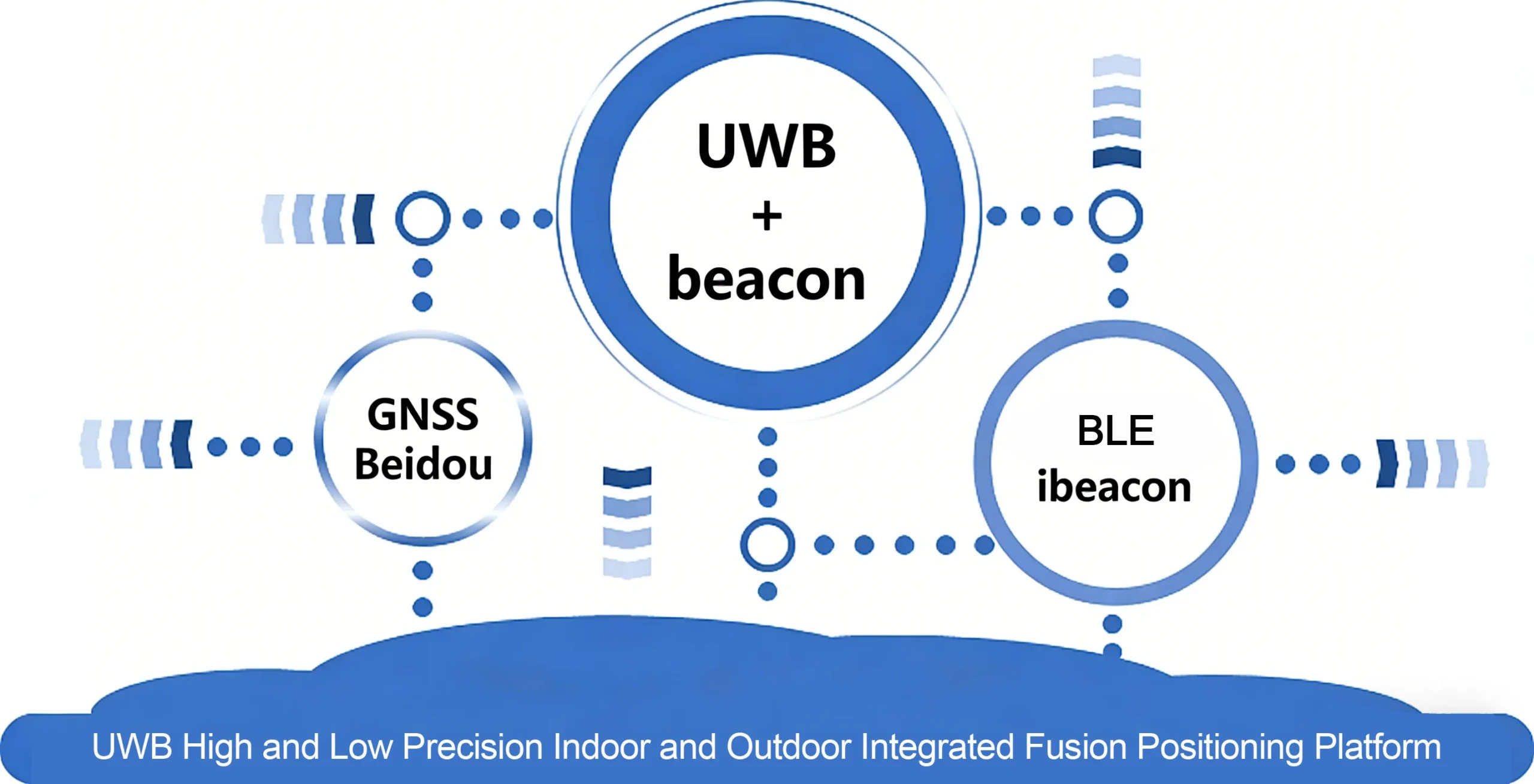
Overall System Architecture
Based on UWB high-precision positioning technology, a multi-mode integrated positioning scheme combining short-range wireless communication, dual-band Beidou GNSS and Beidou differential positioning is adopted to deliver an integrated indoor-outdoor and high-low precision coverage solution.
The system employs full low-power Ultra-Wide-Band (UWB) Beacon positioning technology to achieve high-precision positioning in key equipment areas. Meanwhile, it integrates short-range wireless positioning, dual-band Beidou satellite positioning and differential Beidou positioning to realize full indoor-outdoor coverage with both high and low accuracy.
The positioning system mainly consists of a hardware sensing layer, a network transmission layer, a service layer and an application layer, as shown in the figure:
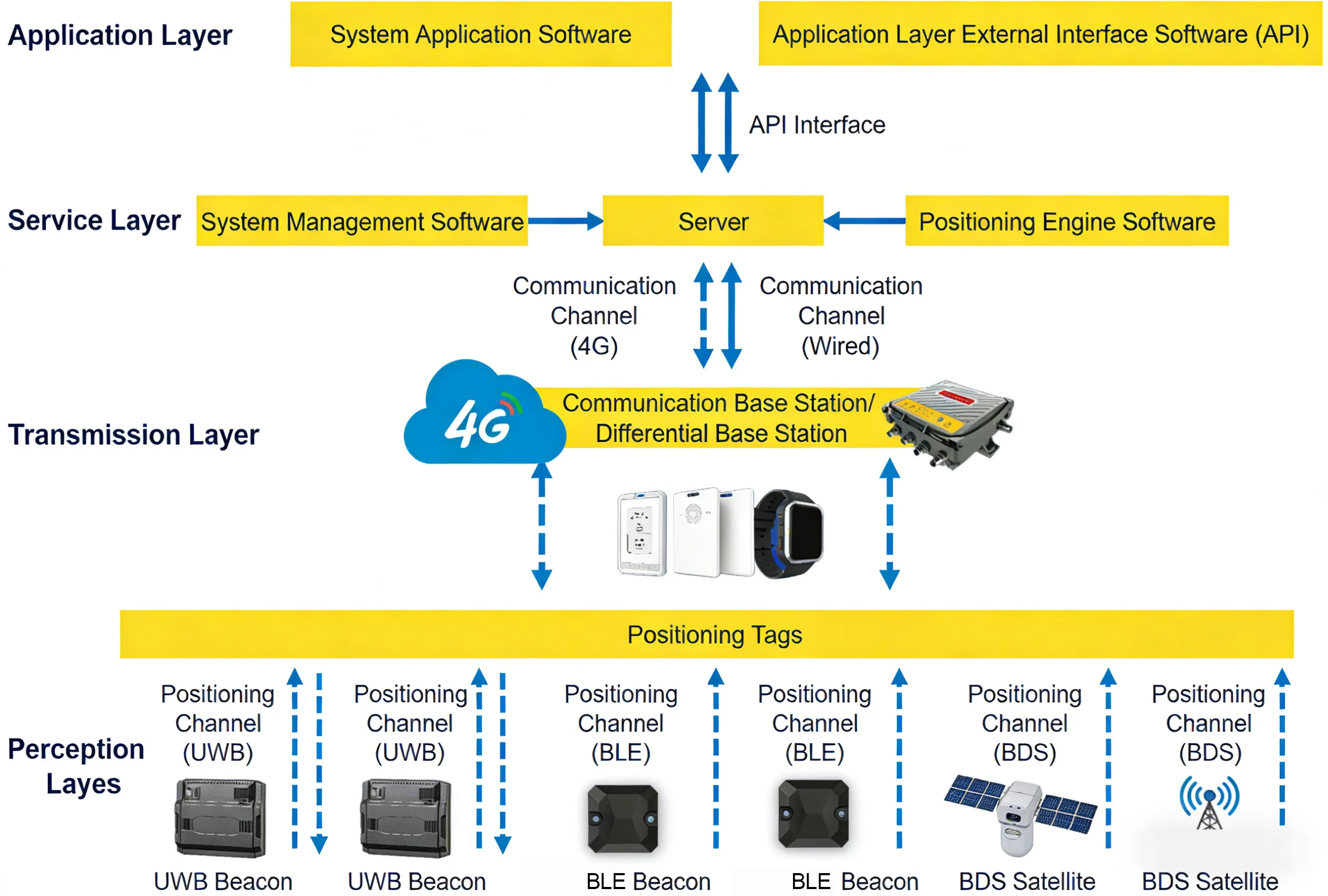
System Network Topology
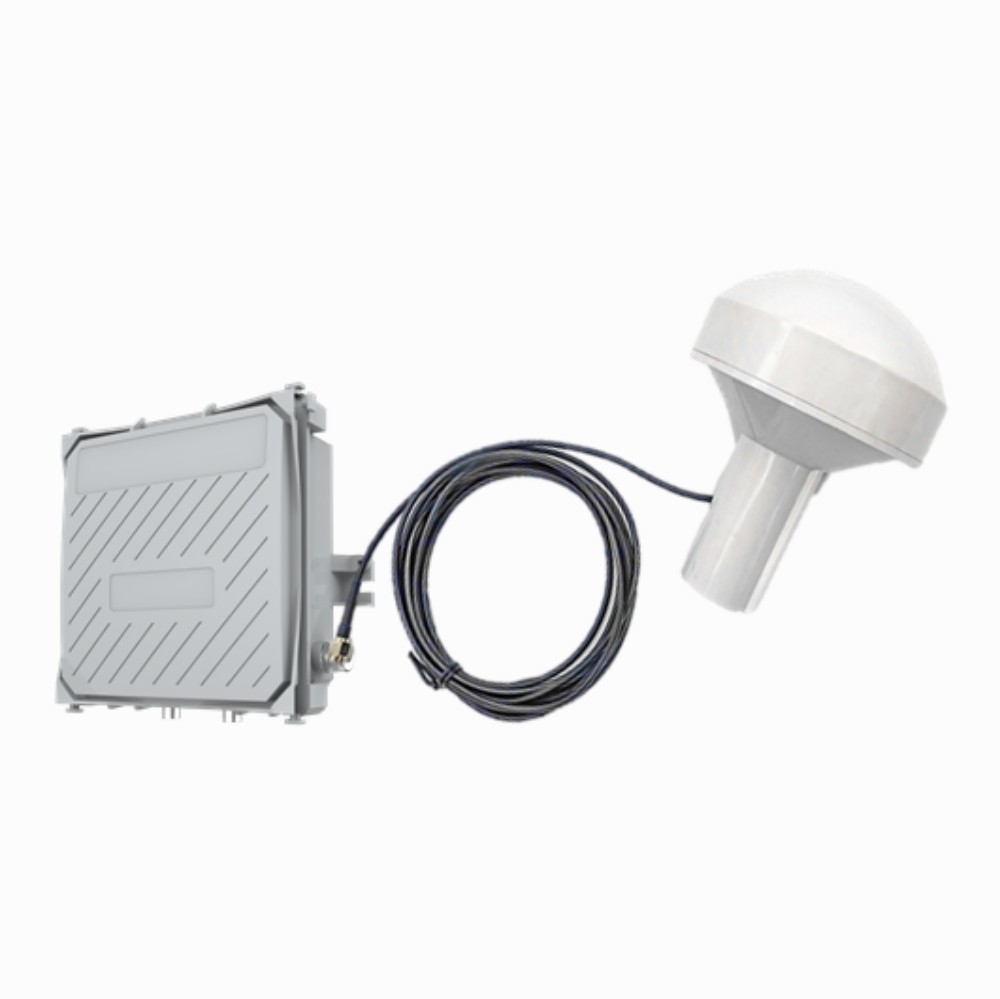
The hardware of the integrated positioning system mainly consists of UWB beacons, wireless short-range beacons, Beidou satellites, differential base stations, communication base stations, positioning tags, system servers and clients. As shown in the figure below:
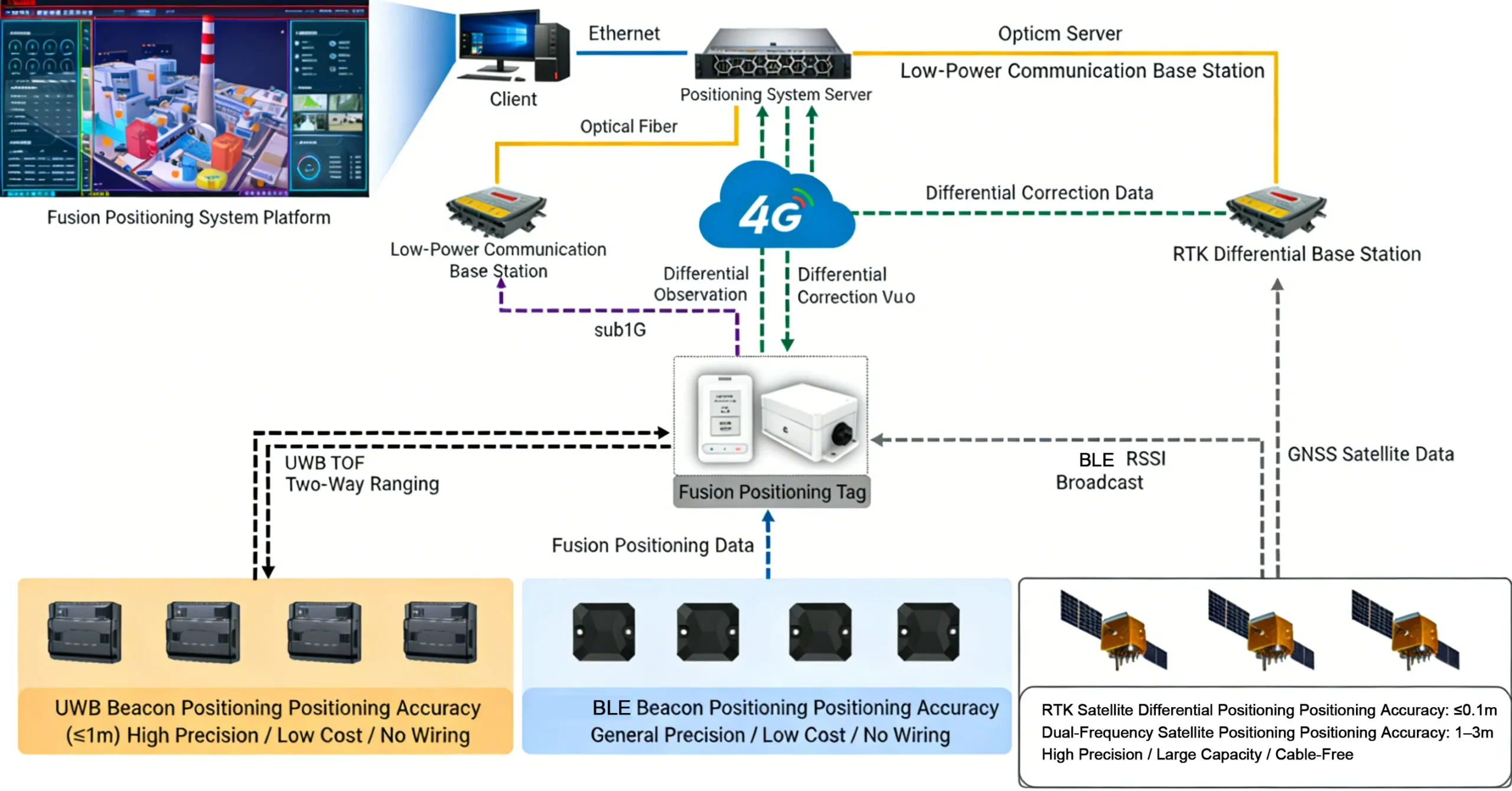
System Advantages
Full-Scenario Solution
Full-Scenario Positioning
It adopts an integrated positioning technology combining RTK, dual-band GNSS, UWB, and wireless beacon radio to achieve full indoor and outdoor scenario coverage with both high and low positioning accuracy.
In open outdoor areas, dual-band BeiDou GNSS satellite positioning is used to achieve 1–3m positioning accuracy; high-precision BeiDou RTK differential positioning is also available, with accuracy up to 10cm.
In semi-outdoor or indoor areas, wireless beacon nodes can be deployed to achieve general positioning accuracy of 3–5m; alternatively, UWB beacons can be deployed to achieve high-precision positioning within 1m. Meanwhile, layered three-dimensional positioning can be realized via beacon nodes.
Full-Scenario Communication
Positioning tags adopt 4G communication, suitable for most regions and venues nationwide.
In areas with poor 4G signal coverage (such as complex equipment areas, underground or semi-underground spaces), or for projects where data cannot be transmitted over public networks due to enterprise information security requirements, a self-built Zigbee low-power local area network can be used to ensure normal communication operation of the positioning system, while extending the battery life of positioning tags.
Long Battery Life
Long-Endurance Beacons
UWB beacons are equipped with a built-in 32000mAh high-capacity battery, ensuring a service life of ≥5 years; wireless beacon nodes have a service life of ≥7 years. This greatly reduces the on-site equipment battery replacement cycle and cuts operation and maintenance costs.
Long-Endurance Tags
The integrated positioning ID badge adopts a chip-level power consumption optimization strategy and is equipped with a 2000mAh rechargeable battery. Under the satellite positioning + 4G communication mode, its comprehensive endurance is ≥30 hours; when using Zigbee low-power communication, ultra-long endurance of ≥90 hours can be achieved.
Cable-Free Deployment
UWB beacons and wireless beacon nodes in the system are powered by internal batteries and transmit signals wirelessly. No cabling is required during deployment, enabling fast installation and convenient operation and maintenance.
Differential base stations and low-power communication base stations support 4G communication; on-site construction only requires nearby power supply, reducing construction costs and significantly shortening the construction period.
System Business Software Function Introduction
——Real-time Location Display (2D/3D)
——Real-time Personnel Positioning and Statistics
——On-site Operation Safety Control and Early Warning
——Vehicle Management
——Vehicle Anti-Collision
——Video Linkage
——Data Management
——Attendance Statistics
——Material Management
——User Management
Main Products
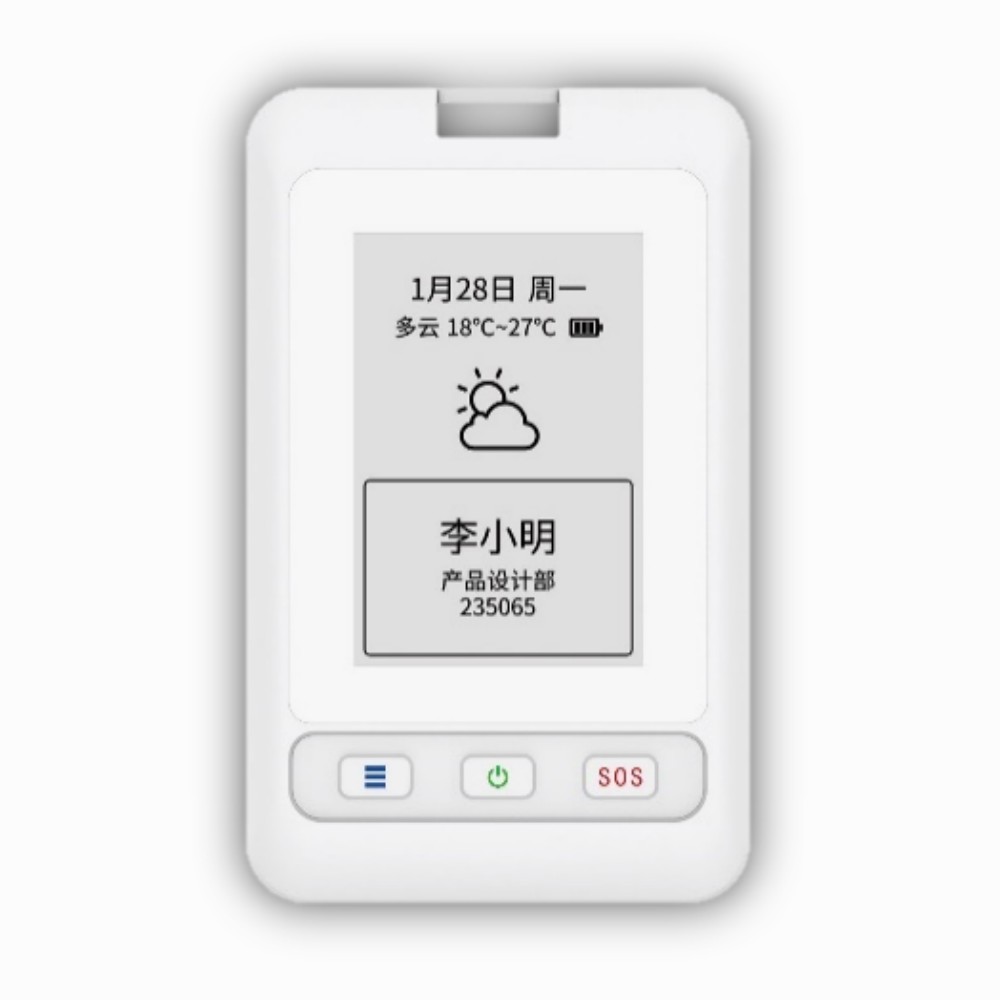
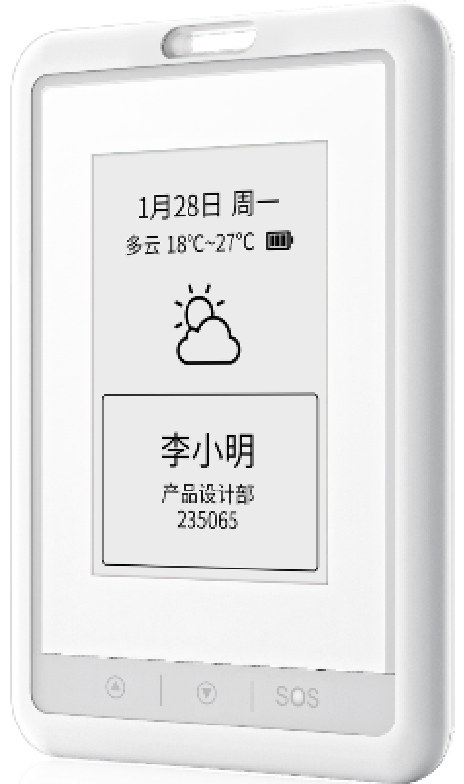
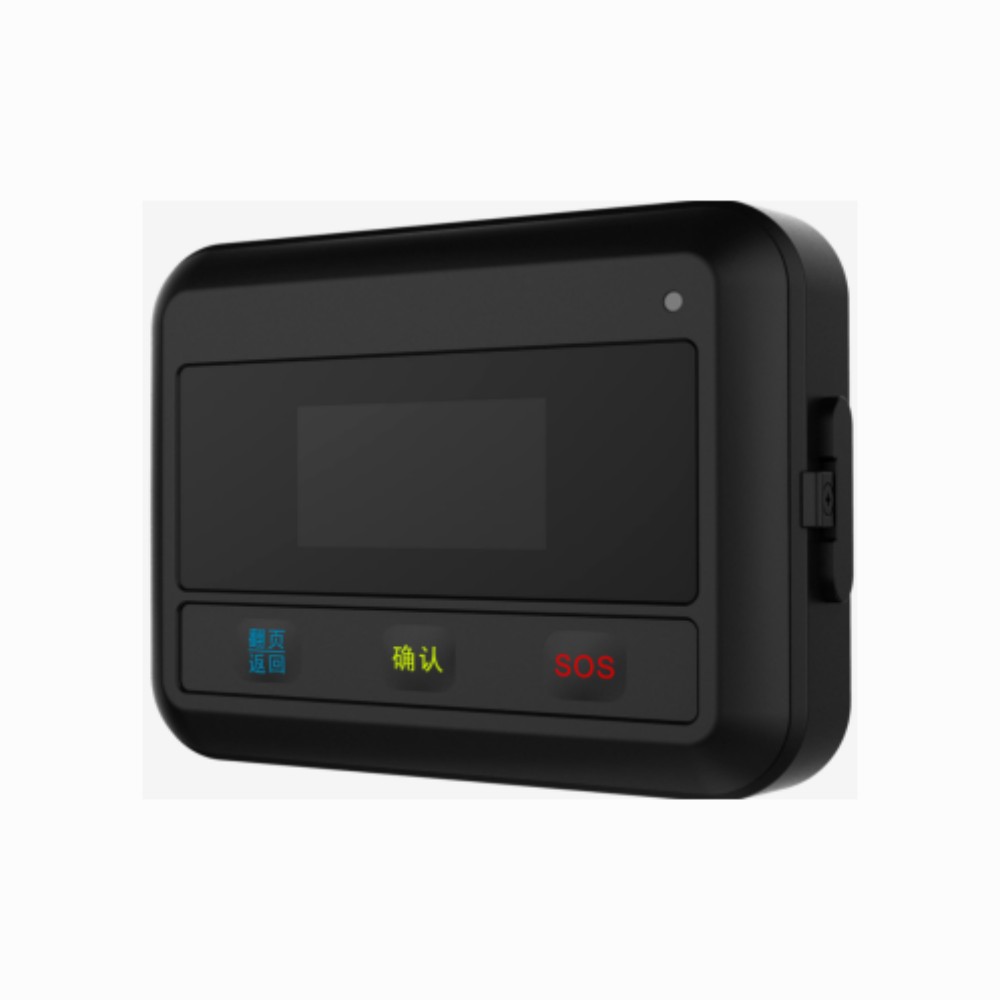
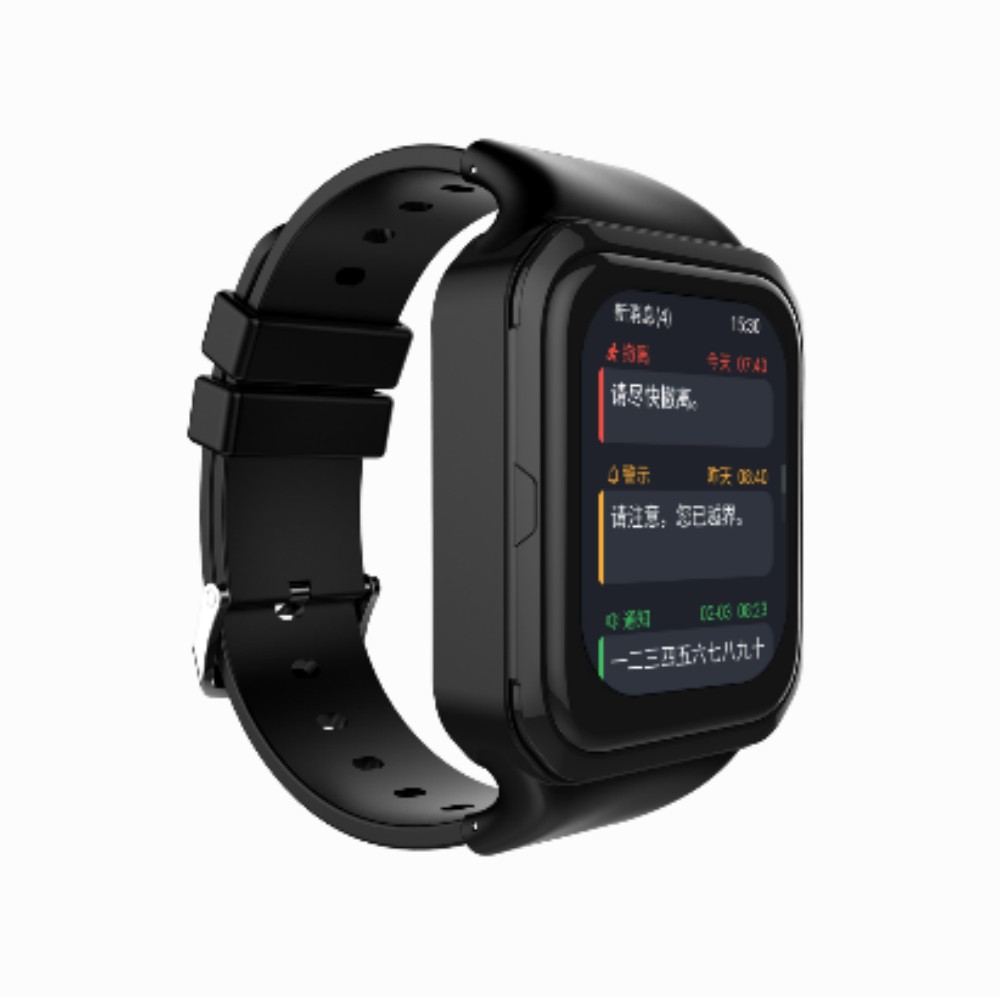
Long-endurance positioning tag
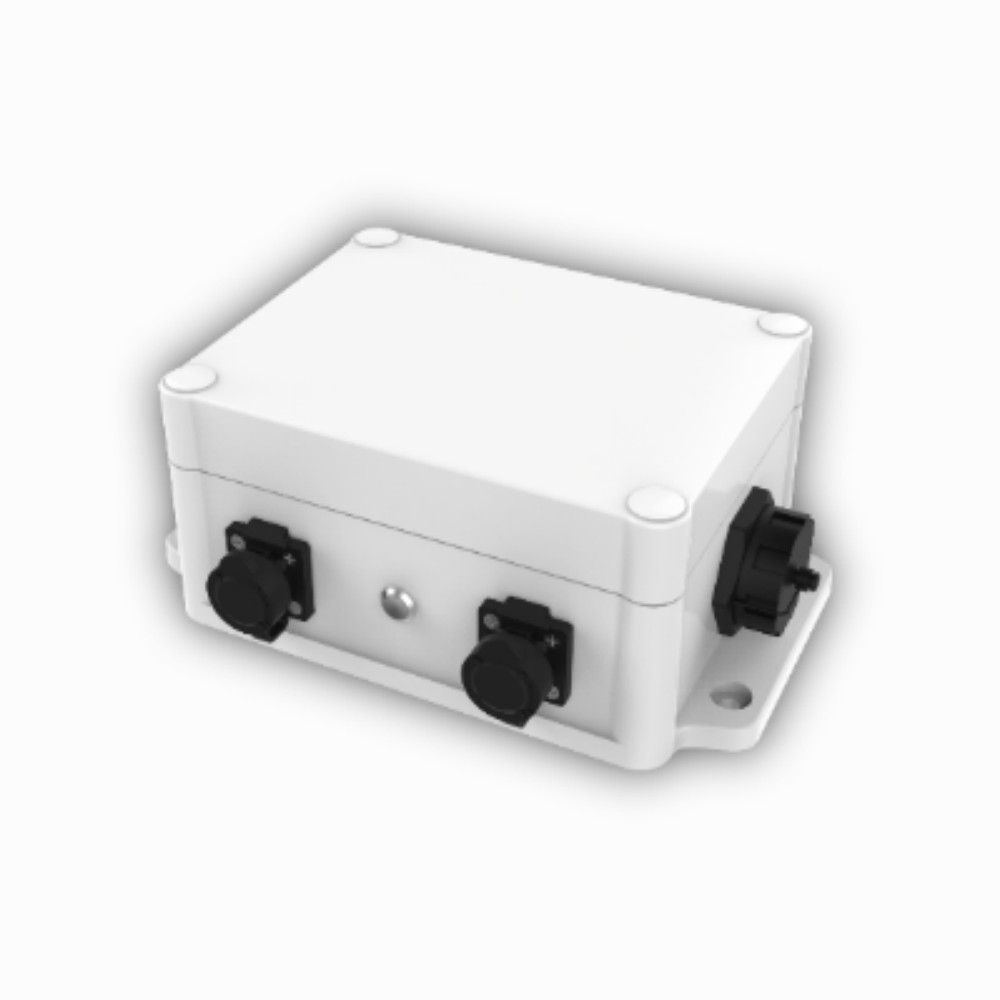
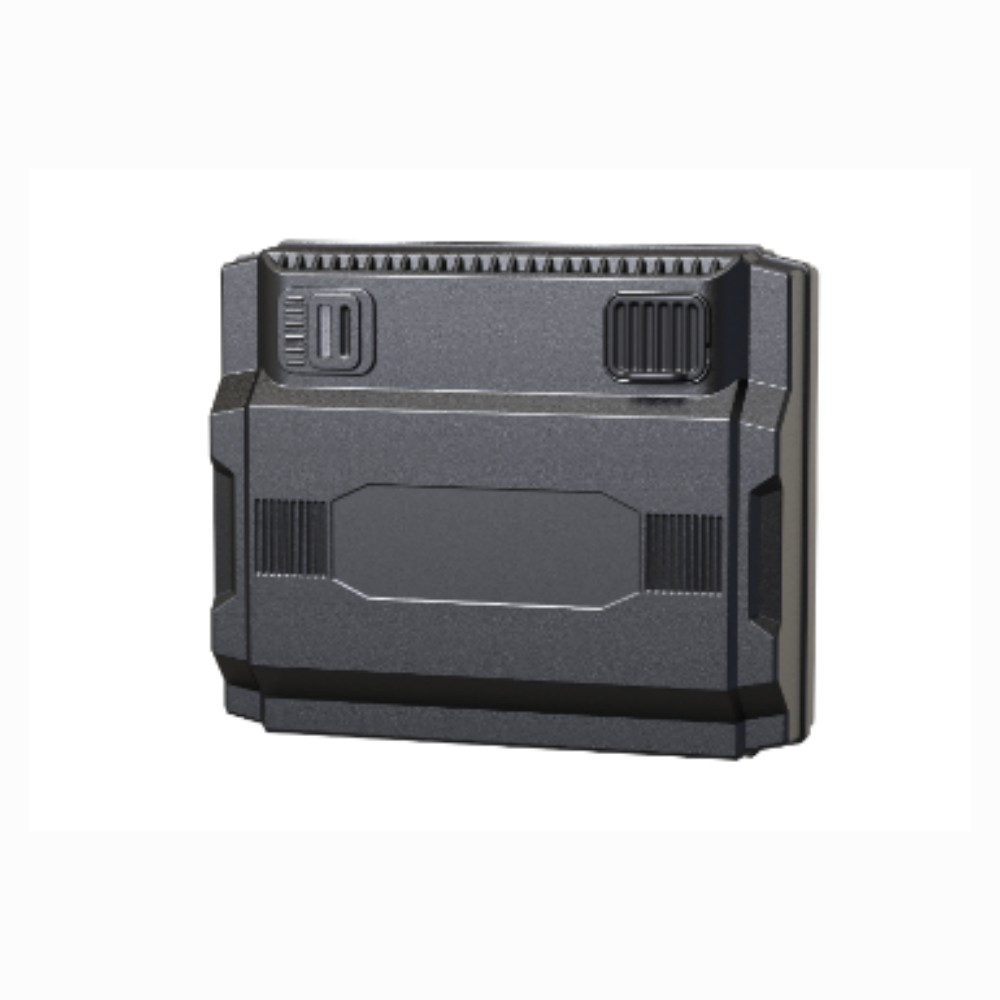
High-precision UWB Beacon
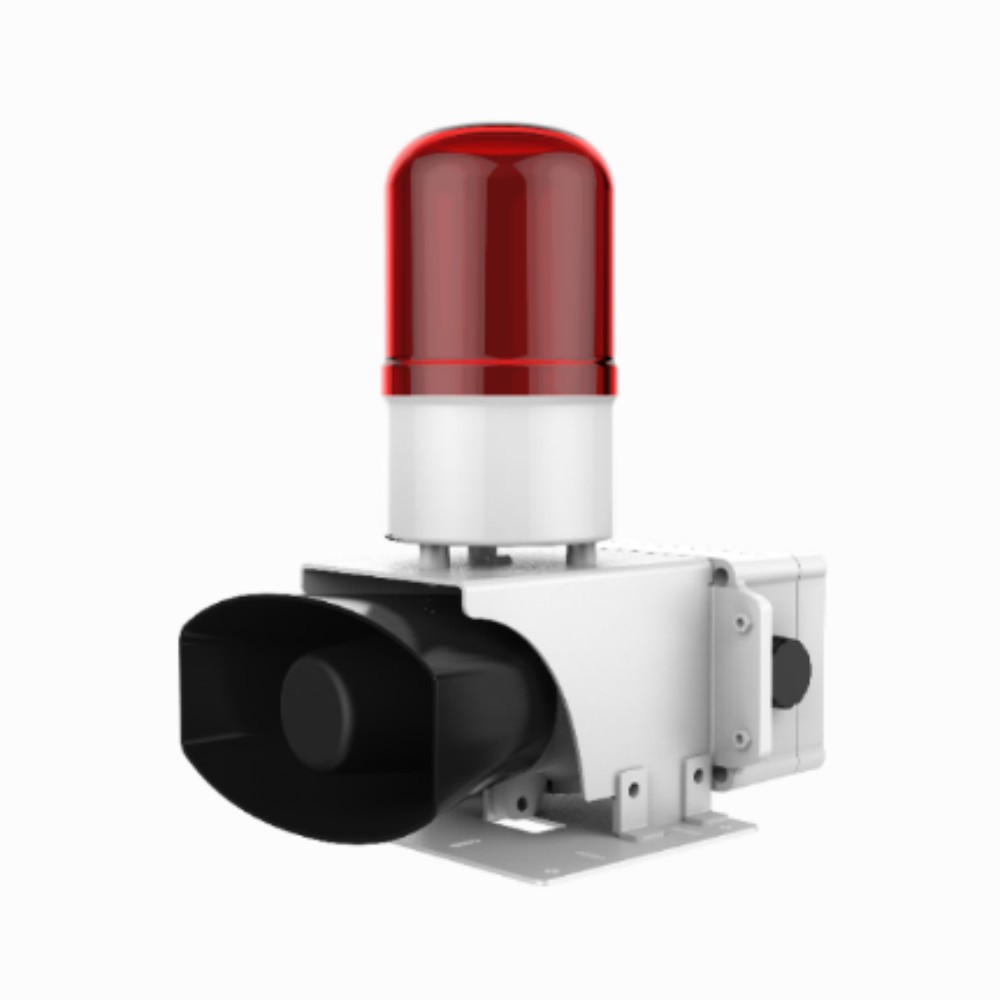
Vehicle Anti-Collision Ranging Base Station